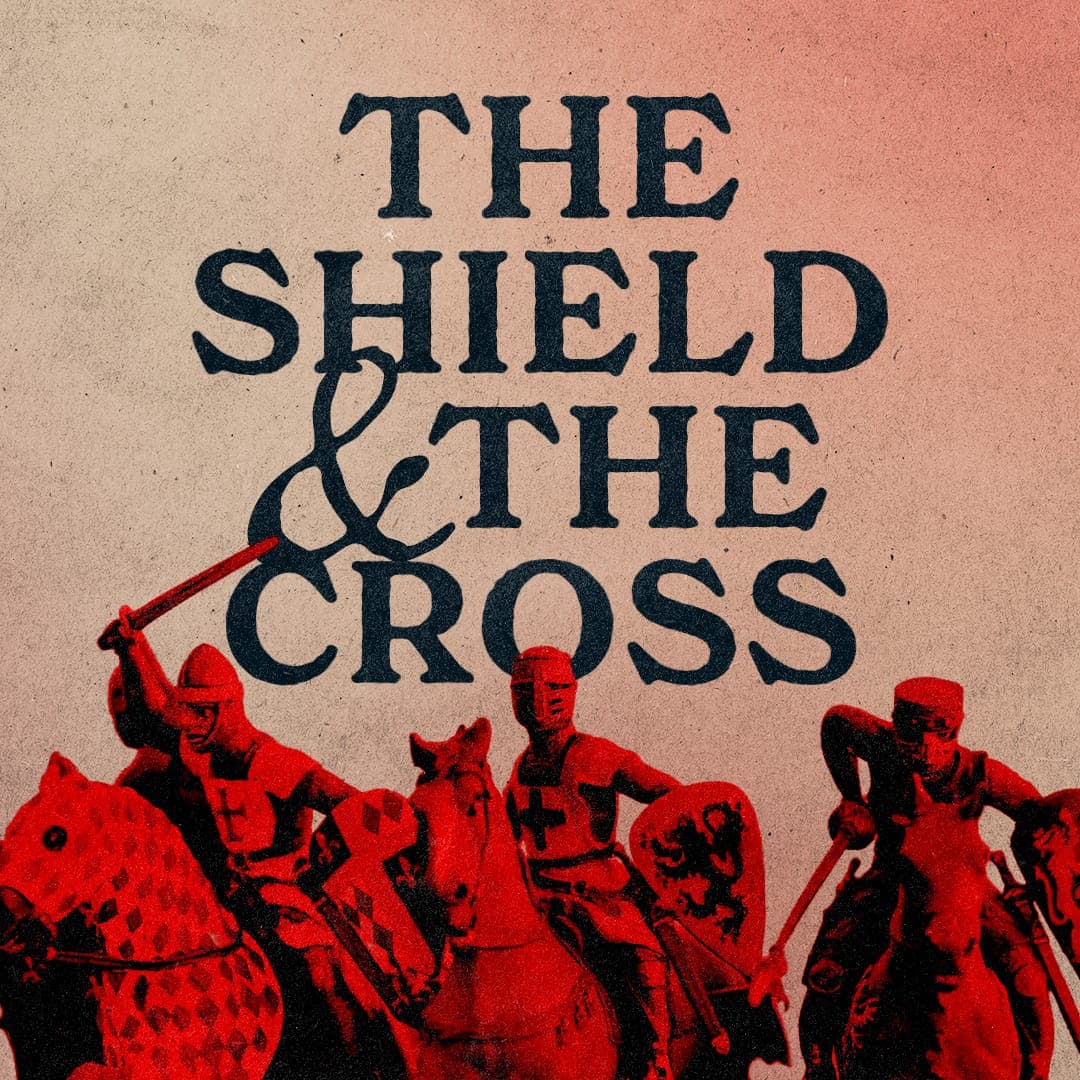
Welcome to Outremer, essentially a garrison of knights and infantrymen left to represent the West’s interests and care for arriving pilgrims in the wake of the first Crusade. Only about 2,200 in number, these gallant men lived surrounded by potential enemies.
Transcript
Read the full transcriptAuto-generated · 340 words
After Jerusalem's conquest in 1099, something unique in military history occurred. If this were a story of colonialism, we would expect settlers ready to exploit the land. Instead, the opposite happened. Most of the crusaders, of the 12,000 who took the city, returned to Europe just weeks later. Their vow fulfilled, they had prayed at the Holy Sepulchre, and now they longed only for home.
Left behind were a few hundred knights and about 2,000 infantry, a tiny force surrounded by millions of potential enemies. This is how Outremer, Overseas, the Crusaders' name for their lands, came into being. But why stay at all? Some modern historians call these kingdoms Europe's first colonies. Yet the facts contradict this. In colonies, wealth flows to the mother country. Here, it was Europe that had to send money, men, and resources to sustain the outposts.
Life in Jerusalem, Edessa, or Antioch was not luxurious. The Crusaders were a minority, learning to coexist with Eastern Christians, Jews, and Muslims. Pragmatism prevailed. They did not forcibly convert locals. Existing administrative systems remained. Farmers continued their work, merchants their trade. The crime they are accused of, imposing foreign culture, fades against reality. Crusaders adapted. They built massive castles, like Crac des Chevaliers, not to flaunt power, but for survival. Every tower, every loophole was defensive, protecting pilgrims arriving from the West.
Unique institutions arose, the military orders, the Templars, and Hospitallers. These were not mere soldiers, but warrior monks. Their mission? Serve, protect, care for the sick. They embodied Outremer's spirit, total commitment, personal poverty, and absolute devotion to the Holy Land. Yet peace was fragile. While crusader states sought stability, the Islamic world began reorganizing. Fragmented powers that allowed the first crusade's victory were uniting. New leaders emerged with a new call, reconquest. Jerusalem was free, but for how long? And would Europe sacrifice its sons again to defend a distant, costly outpost? The story of these men overseas is not about empire. It is the chronicle of desperate resistance in the name of faith.