Go beyond the many myths surrounding the Crusades. Learn about the incredible sacrifices made by the men who fought. Understand the craving for salvation at the heart of it all.
Transcript
Read the full transcriptAuto-generated · 527 words
Imagine a world where death is a daily visitor, a world scarred by constant warfare, famine, plague, and sudden violence, a world where the future is never guaranteed. This is 11th century Europe. It is a fragile continent, divided, unstable, and insecure. Villages are ransacked, fields destroyed, families torn apart. Law is weak, and security almost non-existent. Fear is a constant companion. In this landscape, faith is not a detail. It is everything. It is the only moral compass, the sole hope for salvation, and the center of daily life.
People lived with a profound awareness of sin, judgment, and eternity. The fate of the soul mattered more than any earthly wealth. Every choice revolved around one question, will I be saved? It is in this context that a call arose, one destined to change history. A call we now know by a name that evokes powerful, often distorted images, the Crusades. Today, we often think of the Crusades as fanatical aggression.
But to understand them, we must look at the facts history sometimes forgets. The proposal was unprecedented, to undertake a great armed pilgrimage to Jerusalem, the holy city. Yet, this was no whim. It was a response to centuries of attacks.
For 400 years, Christendom had been systematically battered, from the fall of Jerusalem in the 7th century, to the sack of Rome in 846, and the destruction of the Church of the Holy Sepulchre in 1009. The Crusades were, in reality, a belated response by a world that had endured centuries of invasions, and finally decided to defend its eastern brethren and sacred sites.
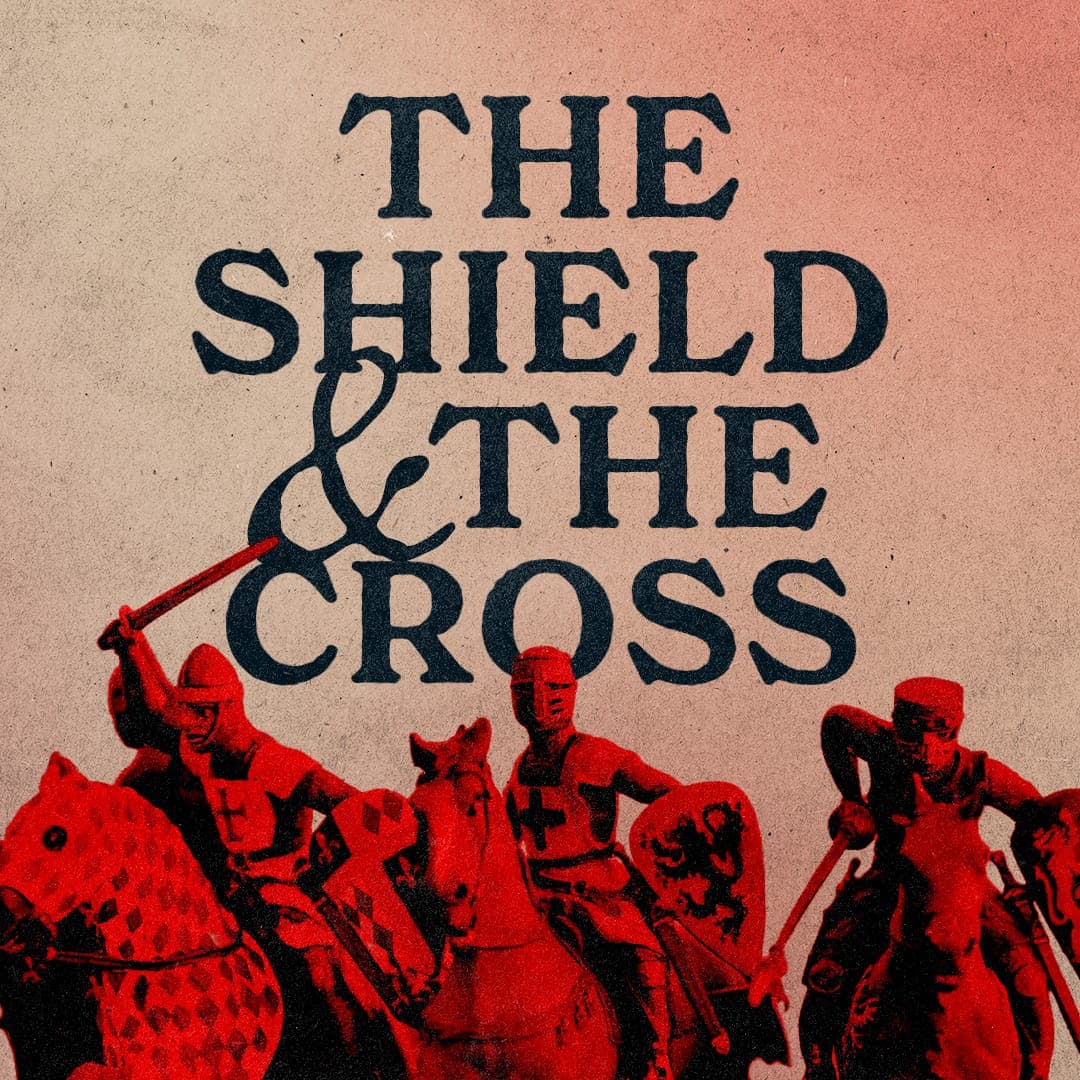
But who were these Crusaders? We often imagine greedy adventurers seeking land. History tells a different story. Joining a crusade was financially ruinous. A knight had to raise four or five times his annual income. Many nobles sold everything they owned to fund their journey, and that of their retinue.
To leave meant more than fighting. It meant atonement. It meant purification. In just a few months, something extraordinary emerged. The Crusades became a people on the move. Entire families, monks, knights, beggars, all wearing a cross sewn onto their clothes. All driven by the same hope. To return home reconciled with God.
For them, Jerusalem was not just a city. It was the center of the world, the point where heaven touched earth. Knowing it was under rule hostile to Christians was a spiritual wound. The Crusades were born from the burning desire to defend the faith and reopen pilgrimage routes. Yet, alongside sincere faith were human ambitions. Glory. Honor. Redemption.
The Crusade became a total phenomenon. Spiritual, human, political, and military. A tangle of the highest ideals and deepest human frailties. All of Europe seemed to pour onto the roads. Armed pilgrims filled the paths. Many believed God would guide every step. But reality was unforgiving. Hunger. Disease. Clashes.
The journey toward salvation revealed its harshest face. Across the Mediterranean, the Islamic world watched with curiosity. No one imagined this disorganized crowd would become a force capable of shifting the balance of the Middle East. It is a story of faith and error, heroism and moral abyss alike.