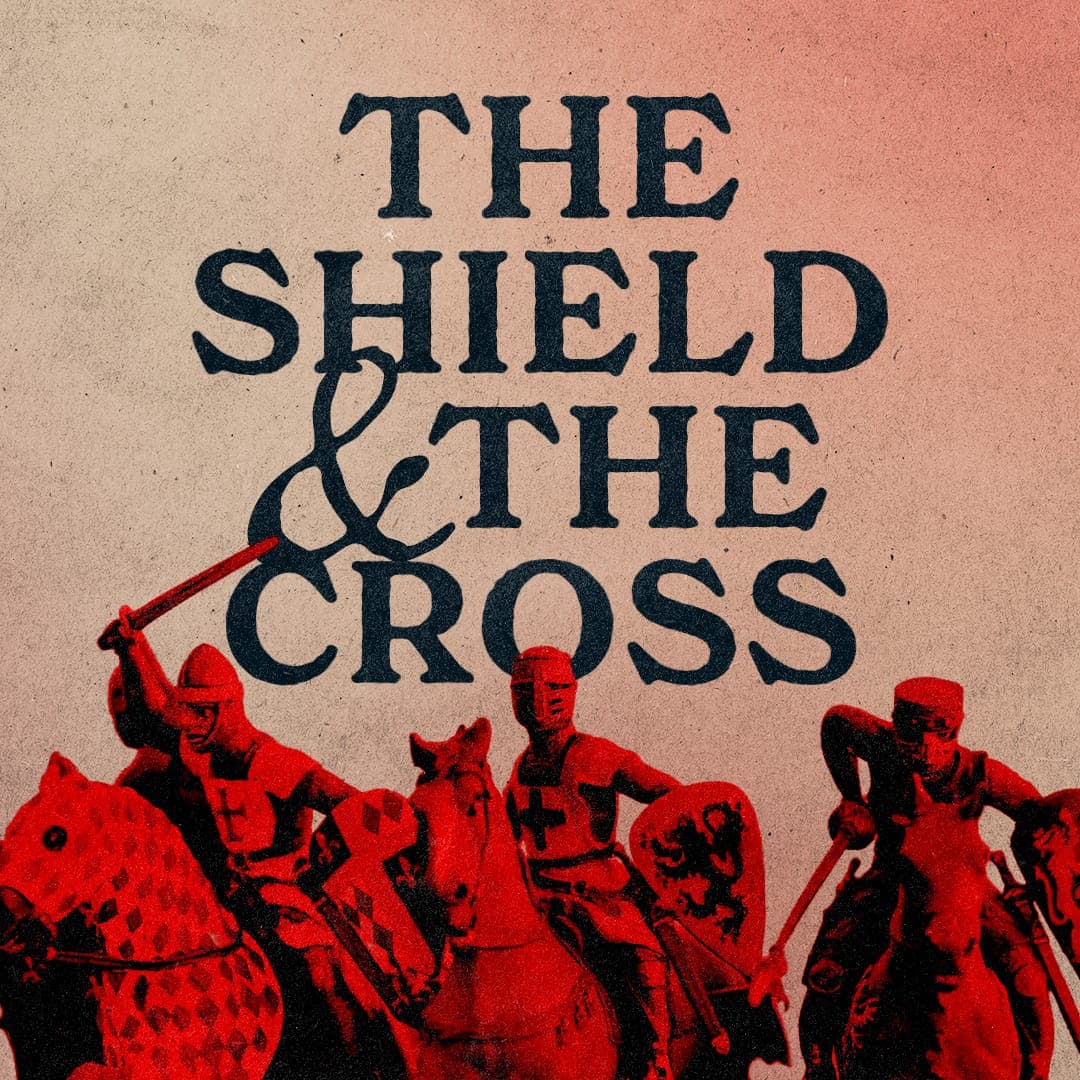
Travel back to an extraordinary time when tired, worn Crusaders—once a hundred thousand strong and now numbering about 12,000—mustered their last ounce of strength to retake the City of Jerusalem.
Transcript
Read the full transcriptAuto-generated · 402 words
After three grueling years of marches, battles, and unimaginable losses, the remnants of what was once a massive army finally glimpsed a sight that took their breath away. It was June 1099. Before them, bathed in the Judean sun, stood the walls of the Holy City. But this was no triumphant army. Those before Jerusalem were survivors.
Of the 100,000 who set out from Europe, perhaps only 12,000 remained fit to fight. They were exhausted, starving, and tormented by thirst. The final siege seemed impossible. The Egyptian defenders had poisoned or filled every well outside the walls.
Crusaders had to carry water and skins from distant springs under the blazing sun. Many died of dehydration before drawing their swords. Yet here, often overlooked, came a decisive factor, technology and naval logistics. Six Genoese and English ships had docked at Jaffa, bringing not only food, but engineers and timber to build siege engines. Without them, Jerusalem would never have fallen.
The assault began on the night of July 13th, 1099. Two massive siege towers were pushed against the walls, one to the south, led by Raymond of Toulouse, one to the north, led by Godfrey of Bouillon. For two days, the battle raged. Then, at noon on July 15th, Godfrey's tower touched the wall. A bridge was lowered. The breach was opened.
What followed is one of the most debated chapters in history, the sack of the city. Modern accounts describe indiscriminate slaughter, yet 11th century norms saw a city taken by force after refusing to surrender as rightful to be sacked. Brutal by today's standards, but the universal law of war at the time. Chroniclers often exaggerated numbers for dramatic effect.
After the conquest, a moment revealed the Crusader's spirit. Leaders offered Godfrey the crown of Jerusalem. He refused, saying he could not wear a crown of gold where Christ had worn a crown of thorns. He accepted only the title of Advocatus Sancti Sepulchri, Defender of the Holy Sepulchre. The mission was complete. Pilgrims could once again visit Jerusalem.
Most crusaders returned to Europe, poorer but spiritually fulfilled, having taken part in an event that would shape history. But the fall of Jerusalem was only the beginning. A new challenge arose, how to maintain a Christian kingdom surrounded by hostile territories. Were they conquerors, or merely survivors of a distant outpost? Conquering a city is one thing, holding it is another.