Examine history of how both the character and the motives of Crusaders have been unjustly maligned over the centuries. They were not murderous marauders. They were liberators responding to a noble call.
Transcript
Read the full transcriptAuto-generated · 479 words
We have reopened files 900 years old, examined maps, financial records, and military strategies. But one final fundamental question remains. Why are the Crusades today surrounded by such a deep sense of guilt? Why do so many, even within the Church, lower their eyes when this chapter of history is mentioned? We are often told that the Crusades are the open wound that prevents peace between East and West. But if we look at the evidence preserved in the archives of history, we discover that this wound is not as old as we think.
It is a much more recent invention. For centuries after the fall of the Christian kingdoms in the Holy Land, the Islamic world had almost forgotten the Crusades. To the Muslim historians of the time, these were not world-changing religious wars, but minor border skirmishes against a peripheral enemy.
There wasn't even an Arabic term for Crusades until the 19th century. So, when did the resentment begin? Evidence shows that the myth of the Crusades as imperialist aggression was actually exported to the East by Europeans themselves during the 19th century colonial era.
Enlightenment historians, often hostile to the church, painted the Crusaders as fanatical barbarians, a narrative later adopted by 20th-century Arab nationalism to advance its own political struggles. Let's examine another crucial point, the idea that the West must apologize for its backwardness. The technical evidence we have analyzed throughout this series says exactly the opposite.
The Crusaders did not bring darkness to a world of light. Medieval Europe was a technologically vibrant civilization, superior in key fields like navigation, military architecture, and metallurgy. Much of the scientific culture attributed to Islam at the time was, in fact, the work of conquered Christian and Jewish populations, the very people the Crusaders sought to rescue.
So, what is the final verdict on this long expedition? The Crusades were not a war of forced conversion. They were not a colonial enterprise to extract wealth. We've seen how costly they were in lives and fortunes. And they were not acts of unprovoked aggression.
The facts tell us that the Crusades were a defensive response, necessary and long overdue. They were the heroic attempt of men and women to protect their faith, their persecuted brethren, and the holiest sites on earth from a military expansion that threatened to wipe Christendom from the face of the world. We close this file with a new understanding.
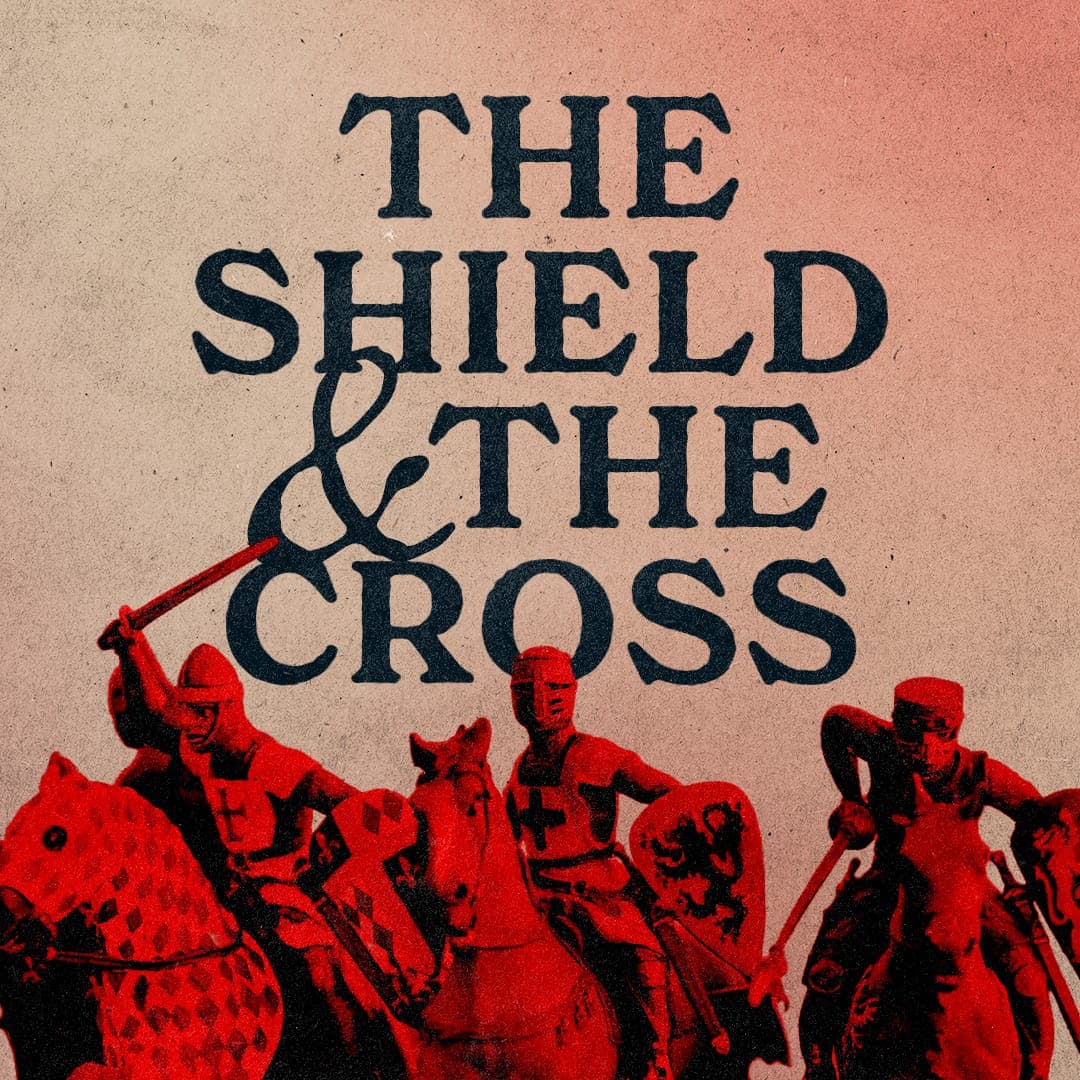
Those knights and pilgrims who sewed the cross onto their garments were not criminals, but people of their time who chose personal sacrifice in the name of a higher ideal. They did not seek hate. They sought justice for a land they considered home.
The Crusades, then, are not a stain to be ashamed of, but the chronicle of a civilization that had the courage to fight so that it would not die.