Phoenix: Part 2
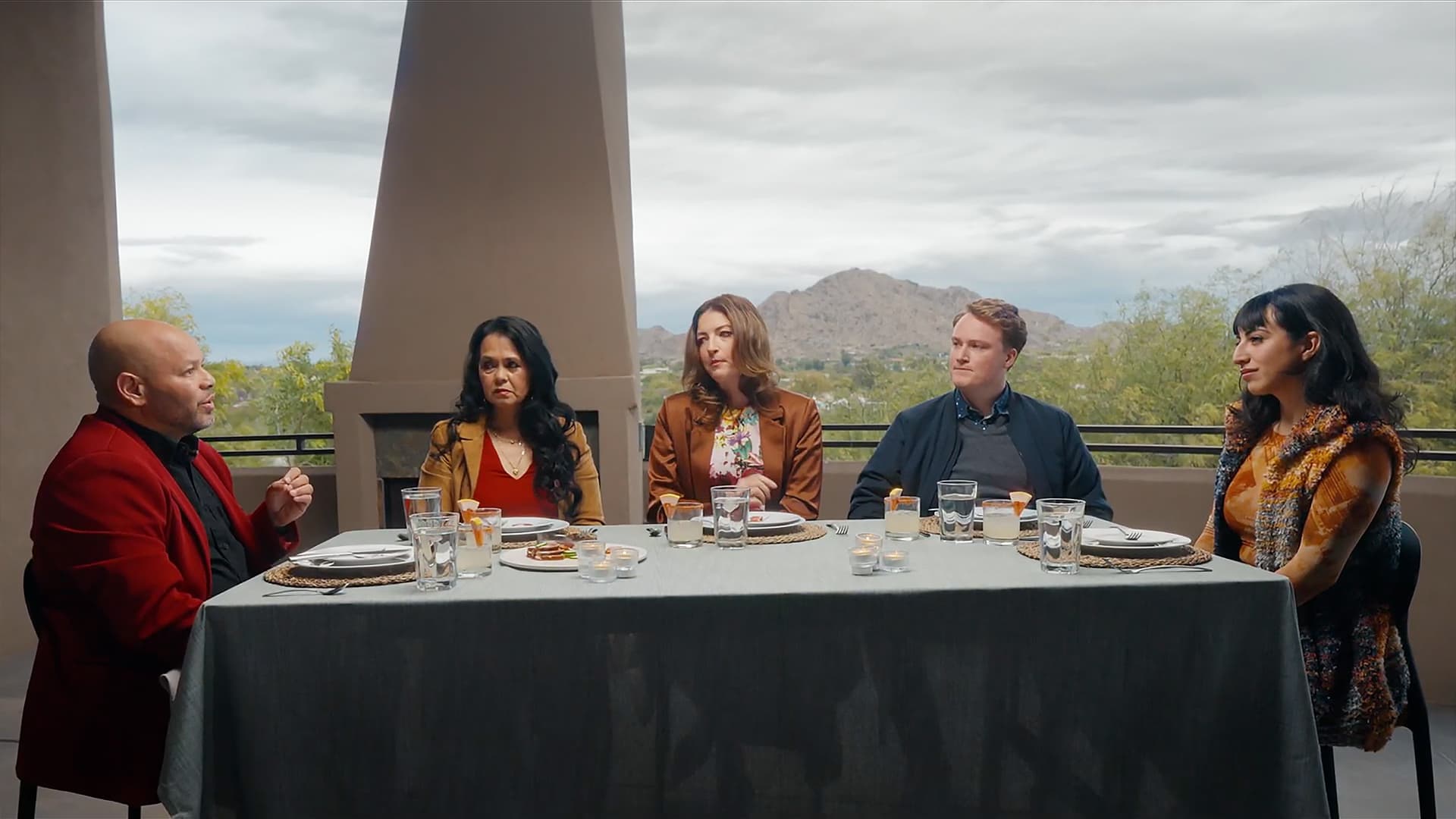
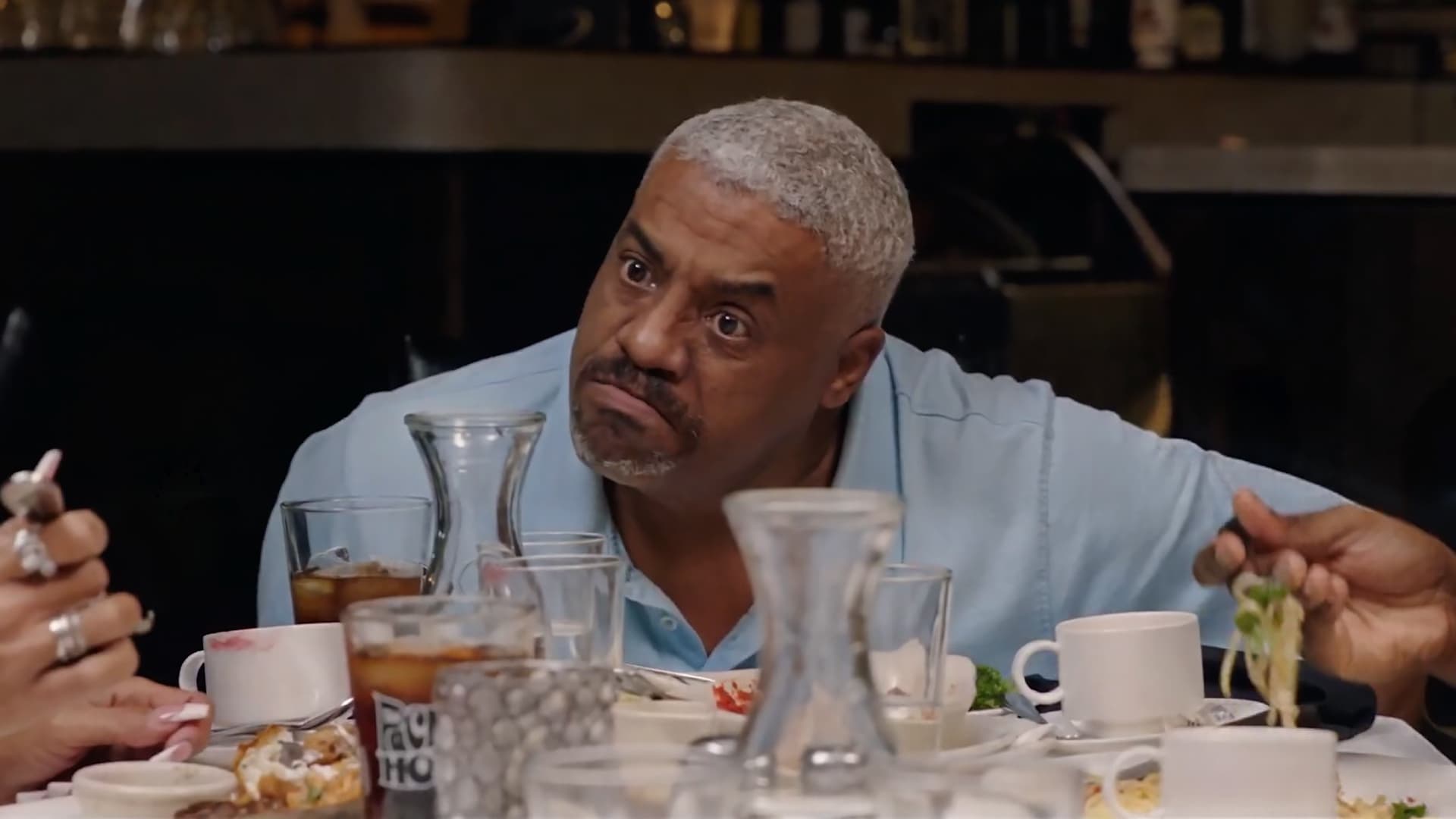
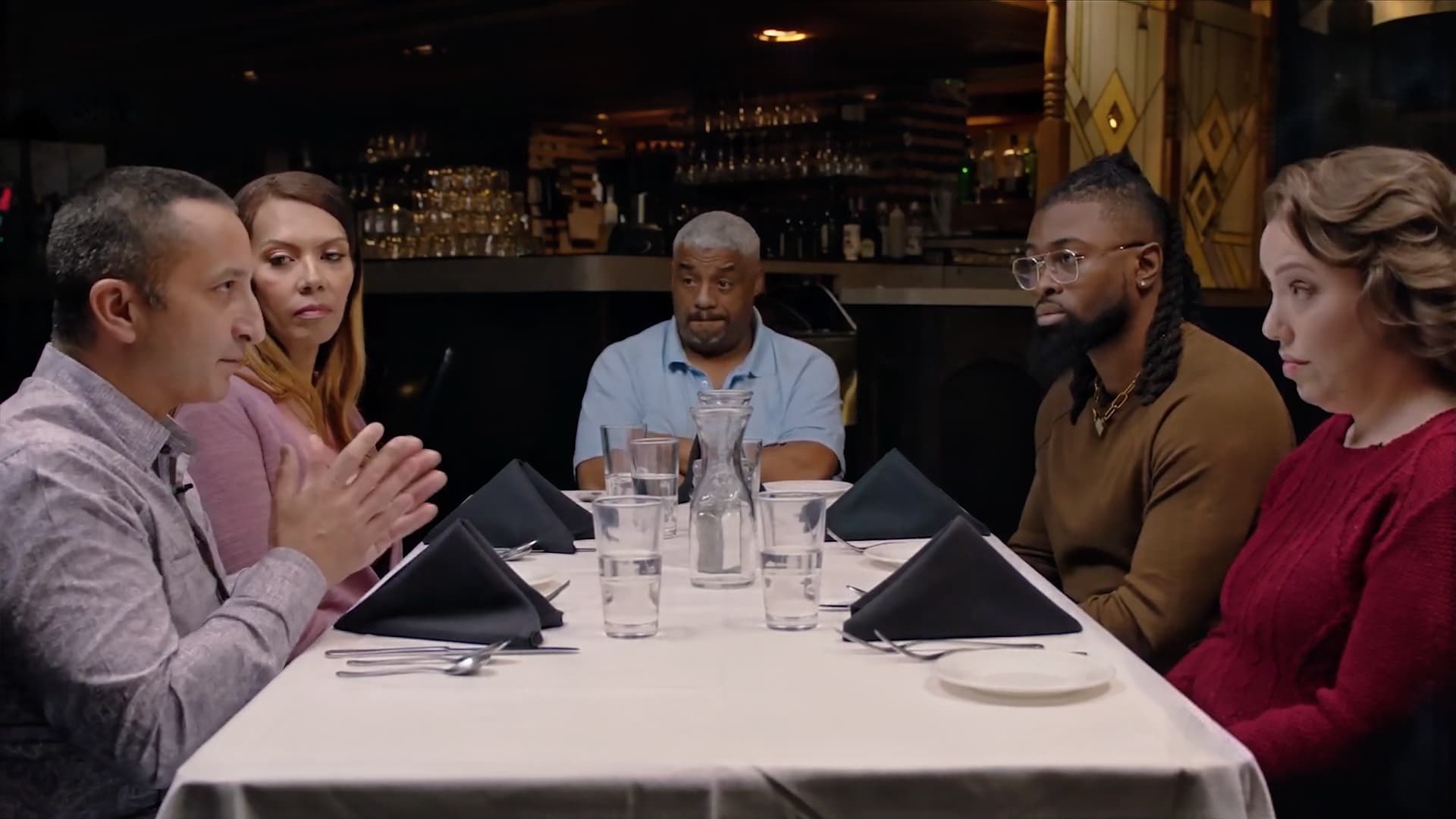
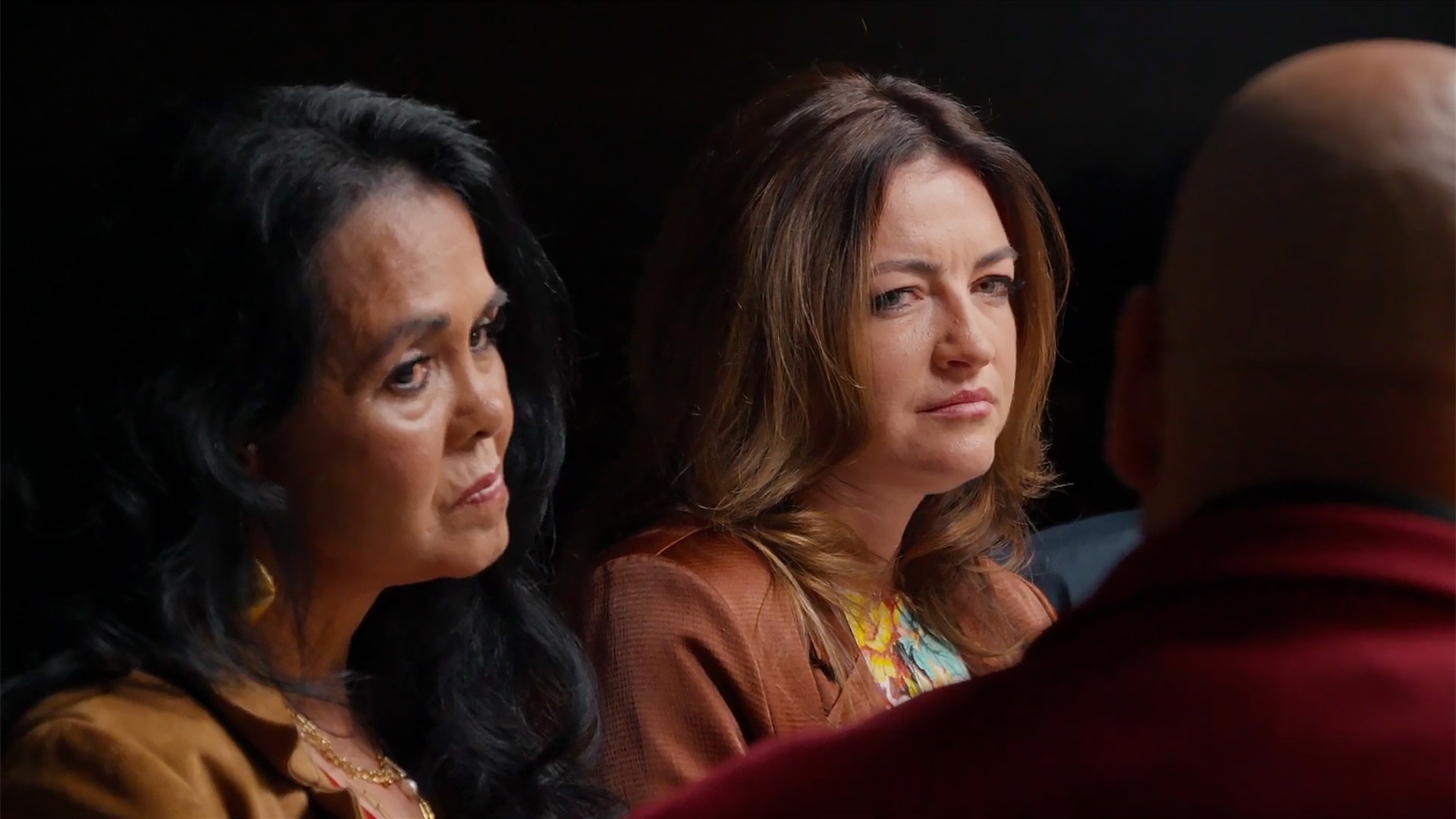
Things start to heat up around the table in Phoenix as our group of locals delve into topics including DEI and immigration. Find out what each of them came away with from a few hours of candid conversation over a phenomenal dinner.
Transcript
Read the full transcriptAuto-generated · 2,666 words
Do you feel it's like a cultural war, in a sense? Arizona is one of the few states where corporal punishment is totally allowed. I've been told that I'm not allowed to be Christian because I'm bisexual. Men and women marry and marry Christ. We're here to disagree. Well, I mean, the First Amendment of the Constitution says that we're not going to found the country and the religion. Read deeper on it, but... On the First Amendment, it's okay. Okay.
If you have a history of criminal behavior, and we know it, you're not coming. There are no garbage. There are human beings. Oh, wow. This looks so good. You're black. You're picking out of candidates. You're talking about villains. I'm dealing with bats.
Nobody's illegal. It's important to be direct with what we're upset about. It's wrong! Is this where we start fist-fighting? The Phoenix area is very eclectic. It's full of colors, noises, smells, sounds. Tonight's menu is called the Sonoran Flair, so that we can showcase the flavors that the desert has to offer. Our salad tonight, we are going to be using a prickly pear in our vinaigrette today, tossed with baby arugula, some goat cheese, and honey-roasted almonds. Enjoy. Thank you. Ooh. Cheers. There you go.
Nice. So, I'll say this. Well, I'll ask this question. Who benefited most from DEI? Do you have any answers to that question? Do you have thoughts? I'm asking you. Do you guys? Do you have any answers? Anybody know? Anybody going to guess? White females.
Benefited most from DEI. If you look at it. But I'm going to bring up something political that's very unpopular. Okay, do it. Let's hear it. When Biden says, I'm going to have a black female vice president, if any other job said that, It would be chaos. Oh, sorry, go on. People who have typically not been given certain opportunities, they should be given opportunities somehow, but that should be the choice of whatever organization wants to do that. Like you said, with Joe Biden, it wasn't regulated that he had to have a certain person.
That wasn't written down anywhere. That was his decision. Where do you draw the line between something being regulated? And just a decision that somebody wants to make. I'll use the NFL for a prime example. You know, like right now, there's not one African-American offensive coordinator. They put in the Rooney Rule, so you had to interview a person of color before you made a hire.
So, people are making a mockery of it. Because it undermines someone's real talent because they're being thought of as just being given something because of their status. Like, I know I'm going to hire you, but I'm going to interview Coco because the rule is in place. Sure. Or Coco may not have ever got a chance to be in front of me if that policy wasn't in place, and I might end up like... Exactly. Well, and at its core, that's what it's all about.
It's supposed to be. Because it is... Much more difficult, and you have struggles, and people look at you, and within, you know, five seconds, they're like, no, I don't want to go with you. Sure. How does DEI differ from the Civil Rights Act? What I will say about DEI is I think it's also more of an idea now, and if it makes a community of people feel safe, then why take that away from them? Again, you're talking about feelings. I'm dealing with that.
I feel like Nika. Historically, if you show up and you're brown and you don't look white, you're not going to be given the job. You're going to have to take extra steps. You have to work harder, and you shouldn't have to. You should show up and be like, I'm amazing, I have the know-how, I can do this job, and I happen to be a Latina woman.
Well, let me tell you that when I came to the United States, I was not speaking English, so I started learning here, and because I am an athlete, I run marathons, I started getting certifications in group fitness and indoor cycling, so I became an indoor cycle instructor for 18 years, and the first thing that I saw when I went to teach, they look at you. And I say, oh, no, she looks Mexican, and her English is not pretty good, so now I'm going to give you the worst classes.
I'm like, oh, my God, this is so racist. But then, guess who was filling those classes? Coco was filling those classes. Yeah, she was. People were coming to those classes. So, I learned that no matter what other people that has the power was thinking about me, because I was believing in myself, I was able to do that. Anybody like basketball here? No. Well, let's pretend that you did. I feel like they should hire me because I want to play center, and I am not seven foot tall.
I don't know if that's quite the right analogy. No, but it is. Why isn't it? Because that directly affects how you perform as a center. And, you know, hiring someone based on a skin color or whatever, that is not going to affect, your skin color is not going to affect how you perform a certain task. Going back to a Christian-based school, and there's an atheist that is a teacher, am I discriminating against them by not hiring them? I'm just going to say, I don't think an atheist would ever want to work at a church.
I'm just going to go on record and say that. They have atheist churches. That's not true. There are atheist churches. Yeah, but the point is, where does it start and where does it stop? Yeah, you can't, like, legislating people's dreams coming true is a bad idea. I think that's a bit of a swooping statement. Yeah, the way I understand it is, you're not picking random Mexican people or black people off the street. You're black, come in here and interview. You're picking out of candidates still.
But I'm saying, what if those people apply, and they feel that they're discriminated against? Just like, I feel like, hey, dang, I could play center for a second. I believe BBI has caused resentment with certain groups of people. I mean, sure. I mean, I think that that is apparent. Now, I don't think it's on the scale as maybe we're made to believe. People are just being chosen because they're the most niche type of person, and that is wrong. Yeah, that's wrong.
It's wrong! Again, I think this is one of those things that has just been completely blown out of proportion. I mean, this is not happening at every single job, every single company. I mean, it is making people's minds melt. It's not happening at the level that people think it is. Based upon what? The statistics. You better give us your statistics. We don't have papers here, dude.
I'm happy to have a conversation about this. I think based off of just natural observation in my daily life, I don't see that. Actually, the law is supposed to say you should not judge people based on these things.
It's racist at the end of the day, and people should be judged on the content of their character. Our entree tonight is seared sea bass. It's topped with our version of a chimichurri. We added some roasted poblanos, some cilantro, a little bit of jalapeno for spice, served with chorizo tossed, fingerling potatoes, and sauteed broccolini. Thank you. Thank you so much. Thank you. I think the best policy for immigration is when you come... To this country, we need to learn the language and start learning the traditions of the country, the system.
You know, I lived in Amsterdam. The fact that I spoke native English made me... Unique. You should go where you are treated best. Okay, but to travel around the world is damn near impossible for lots of people that are coming here for opportunity.
You tell someone who, you know, grew up in poverty in Honduras, oh, just go to Paris, oh, just go wherever, like, that's impossible. We must have a lot, you know, a lot going well for us for them to want to be here. Why don't they just make their country better? Because they don't have the means to do it. Or the control. Yeah, or the resources. Everyone has their will. Not if you're controlled by a drug cartel that has killed half your family, and you're fleeing this country because the conditions are so...
That is, I dare say, a very privileged take to have. We are privileged being in a free country, America. Yeah, and we should use that privilege to uplift and help people, not put them down and accuse them of things that they have not done.
And then, for example, you've... I didn't accuse anyone. Of not fixing their country. That's what you said. You said, why don't they fix Honduras? Well, why don't they? I don't agree with Erin Jo. I believe that everybody wants better countries, but somebody is in control. It's very hard to make change. I would just challenge you to... Just take a moment and attempt to have a little bit of empathy for those people, because it is very easy in the environment that we are in now in America to succumb to that type of rhetoric where we are just putting people down that we don't even know where they came from.
Again, that is a assumption. No one here has put down anybody. She didn't put down anybody. You're just questioning why villagers in Honduras don't fix their own country and make it like America. But you said, she said terrible things. She asked one question. I would say that that is a statement about the living conditions. You could say, but it was a question. Just like you've asked questions. Yeah. She can ask questions, too, but she did not make a negative statement about.
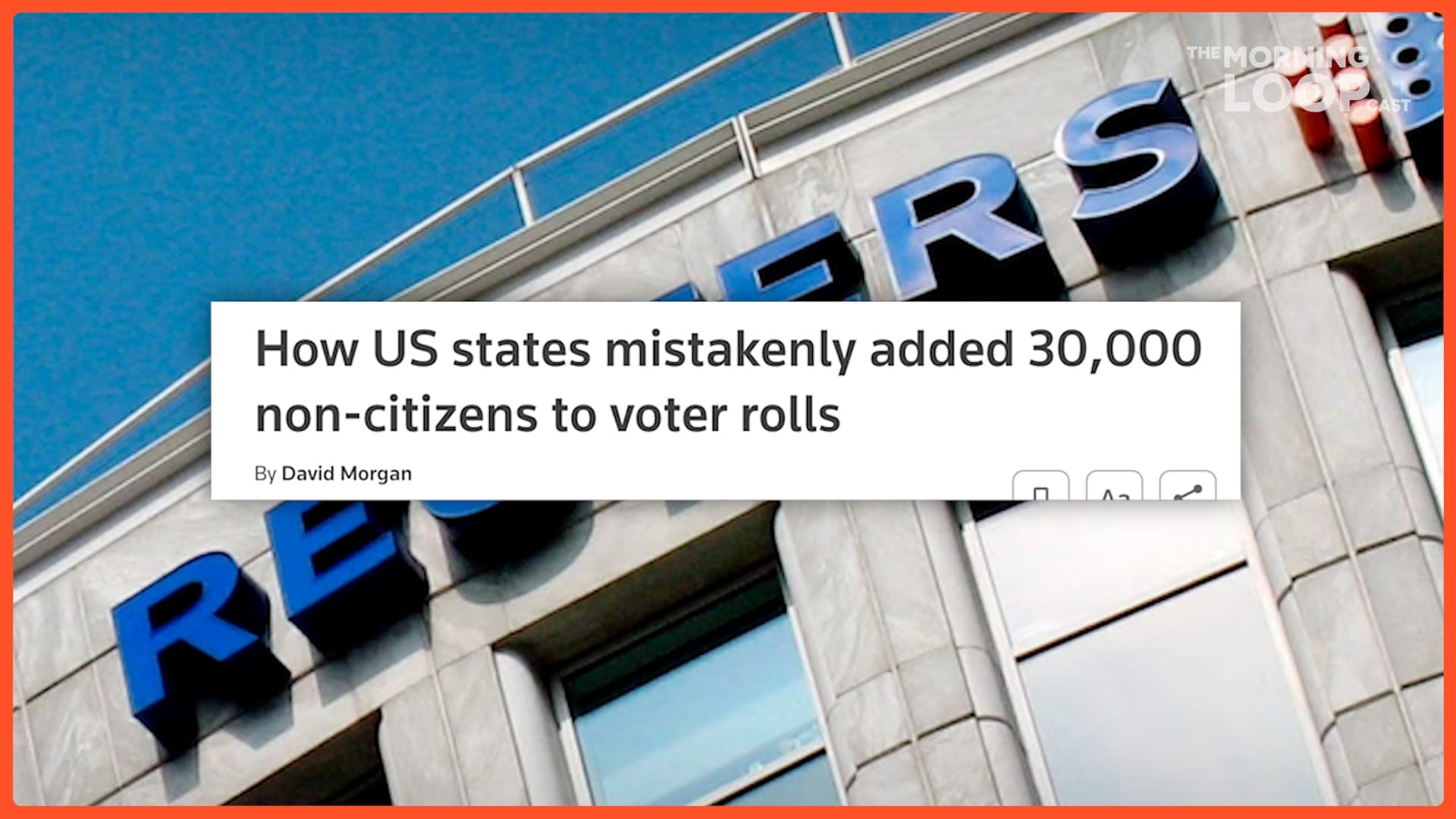
People who have come here. Do you believe that they should stay in Honduras and fix their country? It doesn't make a lot of sense to say that they should be given. Even more benefits than citizens. My strong belief is that certain side wants to stack the voter base. If they're going to give you free money and a right to vote, who wouldn't want to go there? Are you kidding me? Is it a privilege to come to America or is it an entitlement?
I think it's neither. I think people flee for their lives. Well, sometimes it's not fleeing. It's just, we will have a better life there. Sure. Where do we draw the line? Because there's a lot of people that want to come to America. Do we say, everybody come? Where do you draw the line? I don't know. And do you have the infrastructure to facilitate that?
Because, like, right now, Phoenix is growing so fast, but we don't have the infrastructure, and then you don't have the fire departments, you don't have the police departments, you don't have the hospitals. Let's clean up San Francisco, right? You know, let's clean up Phoenix, I mean, Tent City. When you mention clean San Francisco, clean Phoenix, clean from what? There are no garbage.
There are human beings, right? I feel the first thing that we need to do is to deal with this. We legalize the people that are already here working better than being hunting them, and we're going to give you the opportunity to be legal in the country and not take you out and surprise and leave your kids here and separate families. I feel that that's very wrong. I think what's made it complicated is people being demonized, but specifically Mexicans being demonized for being- Especially here.
Yeah, for being here. I mean, we have a prickly history with immigration in this city. I mean, look back at, what was it, 2010 was SB 1070, where it was- They check your papers. They check your papers if you remotely look Mexican. But I'm talking about what was going on governmentally and the benefits and stuff.
How dare you do that when you have people here that have been here suffering and issues and not take care of that? For dessert, we're having a Sonoran bread pudding, something I grew up with very dear to my heart. It's topped with a mezcal cream and some ice cream. Thank you so much. Thank you. Thank you.
Well, as we dig into these lovely desserts, I just want to congratulate everybody for only mentioning Donald Trump two times. Two times this evening, so great job, everybody. This was a huge dinner. Yeah, it was huge. The best dinner we could have had. Amazing.
Can I just say, I'm way better off than I was four years ago, personally. I would agree with that. In what ways? My mental health, for a while, I was not reading or watching the news, and that had an amazing effect on my mental health.
Amen to that. Amazing effect when you're not being bombarded with negativity. Seriously. For me, being learning and understanding this country. The opportunity to be here legally, with no struggles, like a lot of my people have been going through. I feel that God has been blessing me, and the last four years have been very amazing. I think the key is... I keep myself very humble, and with a hunger to learn, and I'm never going to say I know everything. I would say I'm optimistic.
I do see a turn. People are seeking facts a lot more than just opinions. We're just not taking what we're given anymore, right? And that gives some hope. Retweet. I feel like one of the most toxic trends in the past many years has been kind of this, like, trendiness to hate America, and I feel like that's really changing, and I think it should change, and I have an appreciation for a lot of different countries, a lot of different people, and I am so glad.
I am American, because I have freedom of speech, freedom of religion, there's so many opportunities. I agree with a lot of what you just said, probably most of it. And I think there is this idea of sort of like... A quasi-enlightenment, where a lot of us have decided to put the phones down, let's actually engage with people, and feel like human beings again. The fact that we're all sitting down here right now is a testament of that, and that we're able to have civilized conversation over amazing food.
And disagree like adults? Exactly. This evening was wonderful. The food was amazing. The people were awesome. Everyone was so easy to get along with. I would be so happy. I learned that everybody comes from a different background and has their own perspective. I learned that perspective impacts your outlook on life.
I learned a lot about immigration, about how the system works. And after tonight, I feel my views may have softened a little, especially when it comes to immigration. My view changed a little bit on that, and it's not just like, well, why don't we just let everybody in and be friends?
I thought it was a good experience and a necessary experience. It's an example of what more people should be doing. Ultimately, we need to have more of these conversations as a people. Sometimes it might be uncomfortable, but conversations like this breed growth. They are very open, very honest. It was a very safe environment. I think the evening was amazing. One for the books.