Castel Gandolfo: Discovering the Popes' Retreat
Castel Gandolfo isn’t just the site of the pope’s summer residence, it’s a town filled with people for whom the pope is a neighbor. Meet some of the residents of this unique place and hear their stories about the special connection between the papacy and their beautiful, scenic town in the Alban Hills overlooking Lake Albano.
Transcript
Read the full transcriptAuto-generated · 1,188 words
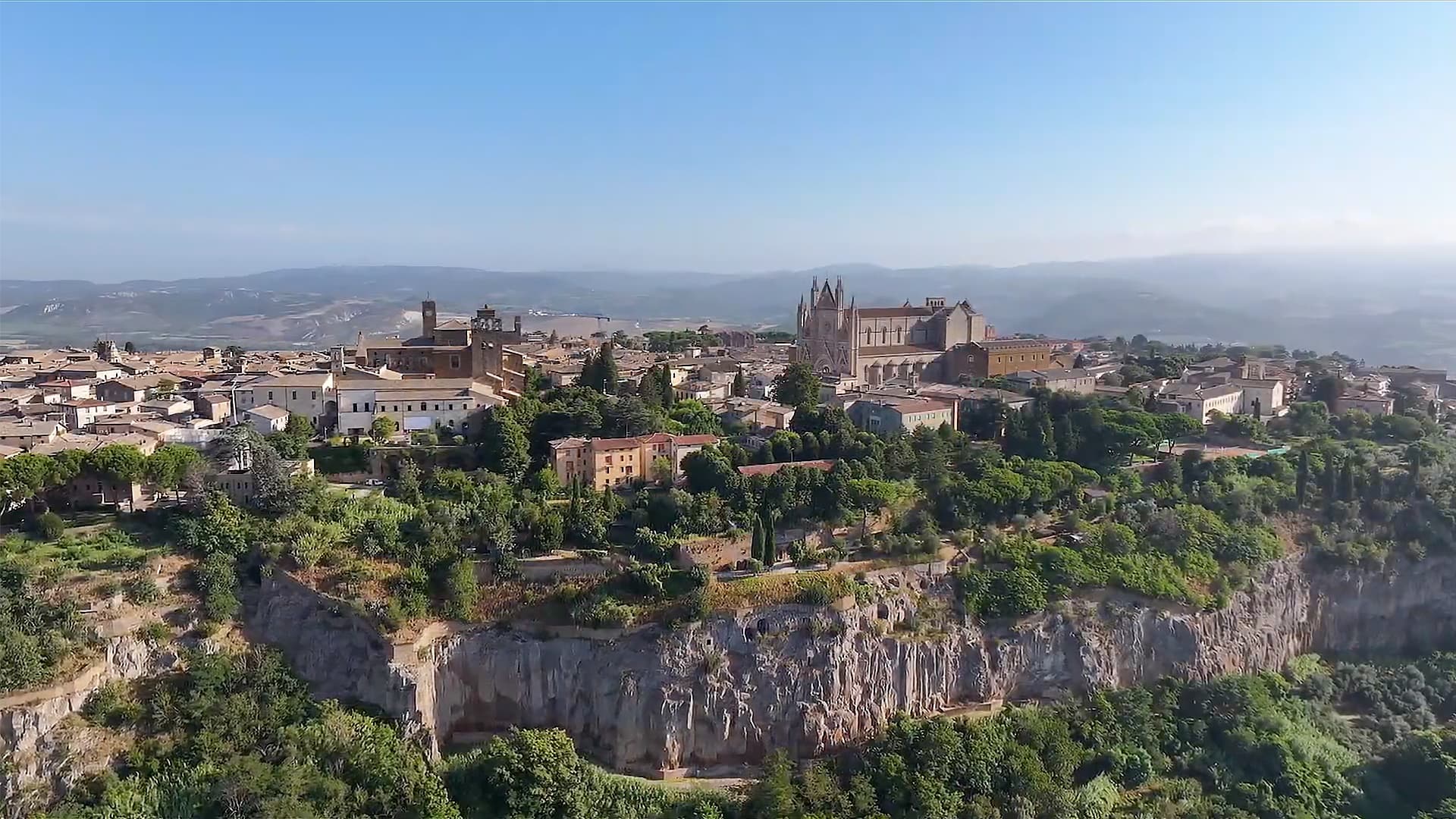
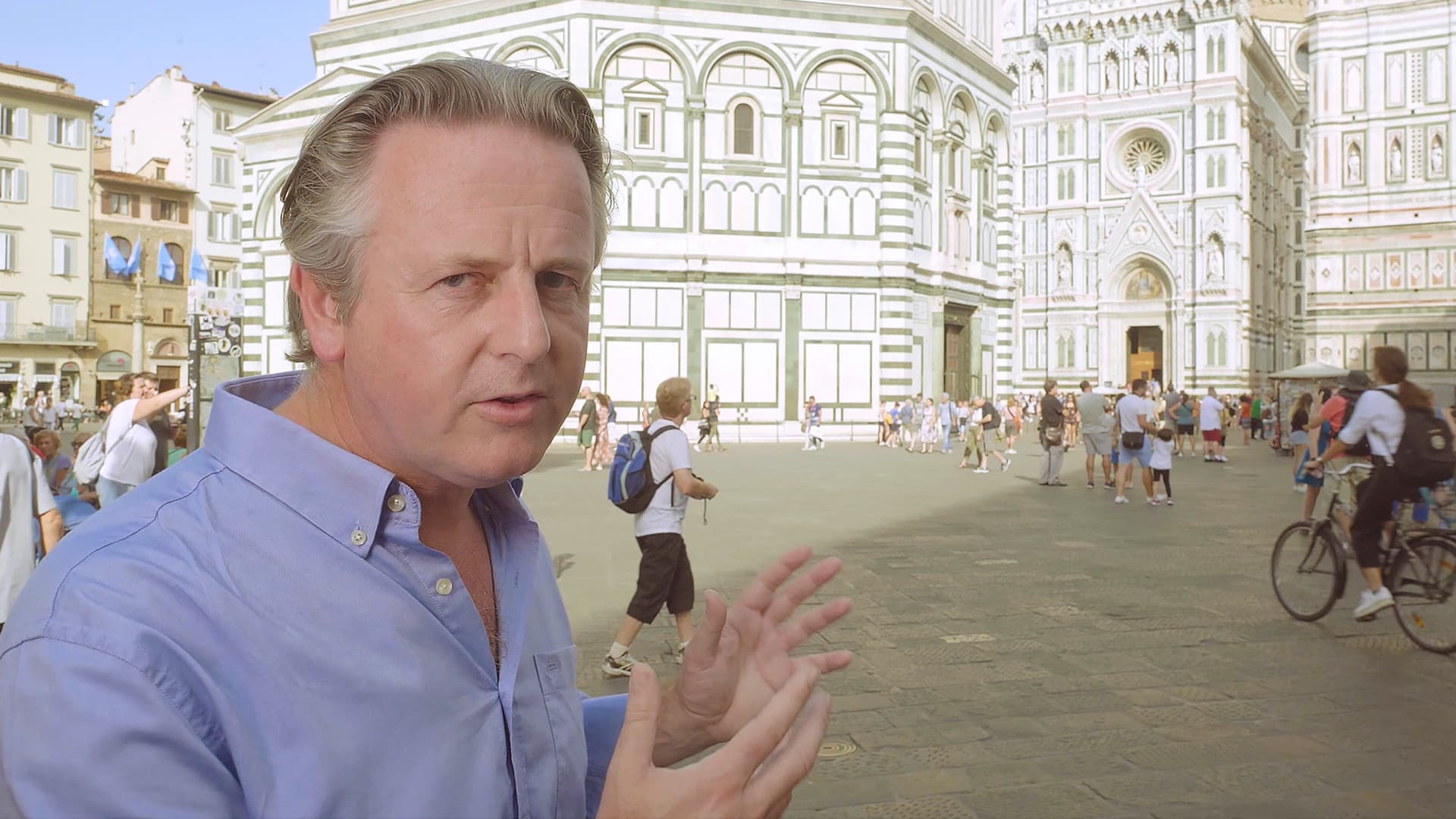
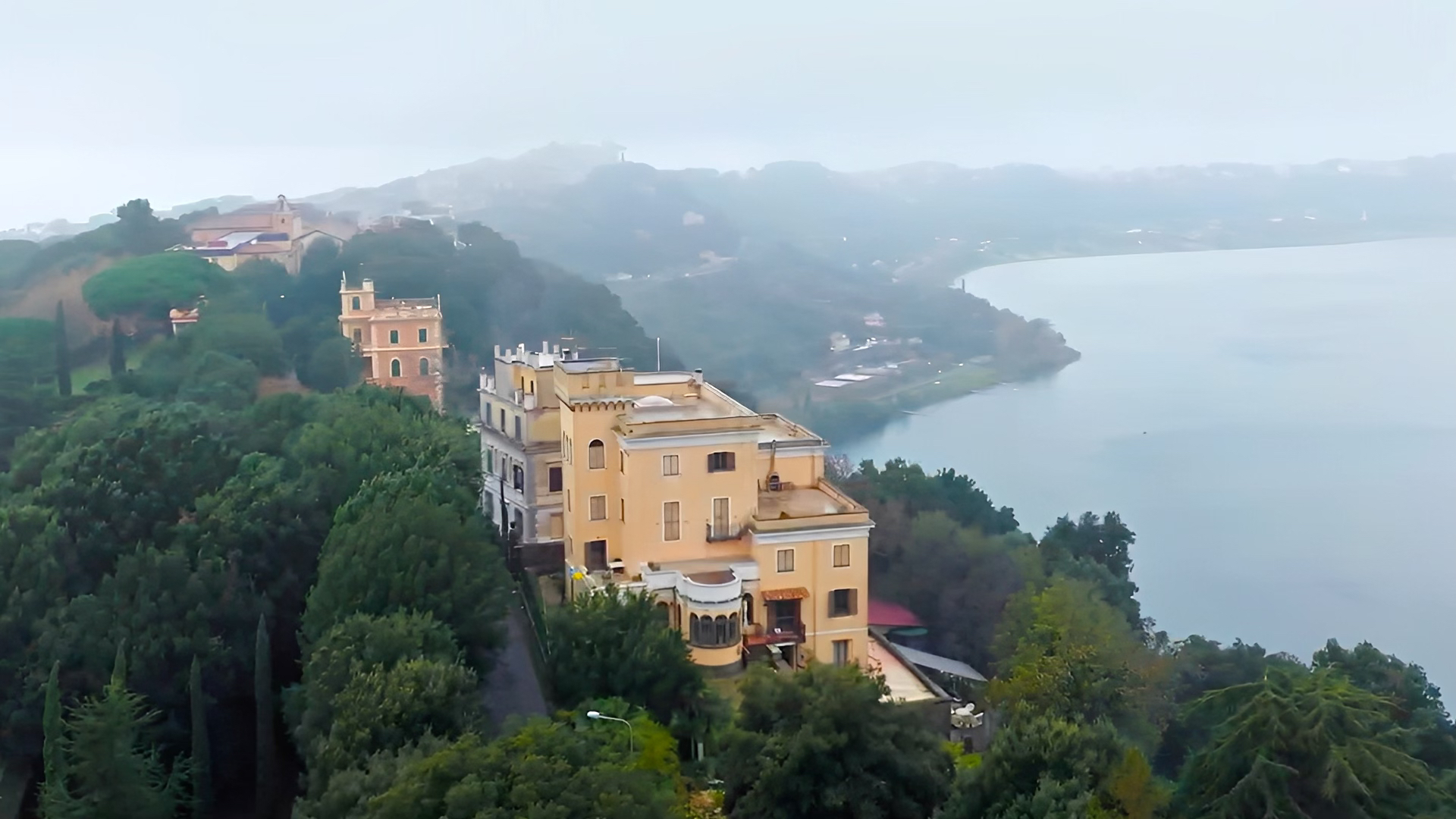
Imagine a place where history whispers from every stone, and ancient beauty merges with breathtaking landscapes. Nestled among the picturesque Alban hills, just a short distance from Rome, lies Castel Gandolfo, an enchanting town with a deep and unique connection to one of the world's oldest and most influential institutions, the papacy.
For centuries, this captivating Italian village has served as the Pope's summer residence, a tranquil refuge from the bustling Vatican City. But what makes this place so special? And what stories are hidden within its walls, shaped by centuries of papal presence?
To truly understand Castel Gandolfo's secret, we must look beyond the walls of the papal palace and into the lives of those who, for generations, have lived side by side with the pontiffs. We met Patrizia and Sabrina Gasperini, two sisters who run a historic religious articles shop right in the town centre. Their family business has roots in a crucial moment of Italian history.
This shop, like many other businesses in Castel Gandolfo, has witnessed the comings and goings of popes for decades. It's not just a store. It's a living archive of people history, observed through the eyes of local residents. Their story isn't unique. The very soul of Castel Gandolfo is inextricably linked to its papal past, a legacy passed down from generation to generation. We also spoke with Stefano Carusi, whose family has managed a local business since 1870.
What is it like to live in such close contact with some of the world's most influential figures? For the residents of Castel Gandolfo, the popes aren't just distant leaders. They're part of their community, leaving behind personal memories and lasting impressions.
The passing of a pope is a moment of profound global mourning, but for these residents, it was a deeply personal experience. Stefano Carusi vividly remembers the day Paul VI died. I was little when I died, on August 6th, 1978. One night, I was ringing the bell in De Profundis, and my father said, but this is the bell when the Pope dies. And all of a sudden, the light went out. It seemed like something... It immediately became dark. Then the light came back, this ambulance arrived, and then everyone knew that Paolo VI had died here.
But beyond the solemn moments, there have been lighter, more personal interactions. John Paul II, known for his charismatic personality, had a special bond with the town. The Pope often came to Castel Gandolfo, not only during the two institutional months of summer, but he also came on the day of St. Stephen, the day of Easter, and for us who were students of the Paolo VI school, created precisely by the previous Pope, he also came to see us during the Carnival period. Maurizio Colacchi, who served as mayor of Castel Gandolfo from 2001 to 2012, shared a humorous anecdote about John Paul II's playful side.
My name is Kolakki, and he would hit me on the shoulder. He would say, well, well, you are a Pole, a Pole like me. And we would laugh, both of us. And what about Pope Benedict XVI? Though often perceived as more reserved, he too forged deep connections with the community. I am very attached to Pope Benedict because during... The death of Giovanni Paolo II was in the wake of a little girl who had some health problems. Fortunately, she was born healthy and free, and I called her Benedetta.
During the week, when everything was quiet, often in the late afternoon, we would hear the Holy Father playing the piano. When he stayed here, he was often accompanied by his brother. In recent years, perhaps when he had more difficulty walking, he would often return to the palace with the piano. Well, let's start with the first question, which is, how did you come up with the idea of having an electric machine that would pass externally, and we, who were out here with our children, would often greet each other.
This thing, in short, remained in our hearts. And his thoughtfulness extended to local officials as well. This playful exchange perfectly illustrates the unique and informal bond between the popes and the people of Castel Gandolfo. Castel Gandolfo's significance extends beyond its role as a summer residence.
During the darkest days of World War II, the Papal Palace offered an unexpected refuge, a moving testament to the Church's humanitarian efforts. The palace is an extra-territorial area, so it couldn't be attacked during the war. Pope Pius XII opened the gates. When the sirens were ringing and the bombings arrived on Castle Gandolfo, everyone who lived here in the historic centre could leave their homes and enter the palace. Within those sacred walls, a remarkable act of humanity unfolded.
They wanted to eat, there were people who did not see the bread. They saw the first white bread thanks to the Pope. Many families were saved, really. He gave his bedroom in the eastern parts. I don't know if 40 children were born during the war. There was a beautiful reception.
Even today, the scars of that period serve as a powerful reminder. The papacy is an ever-evolving institution, and each transition brings new dynamics. Pope Benedict XVI's resignation in 2013 was an unprecedented event that had a profound impact on the community.
It was a surprise, and I was a little disappointed at the beginning, but then after a few days I understood, in my opinion, why he did it, as a man of great intelligence. of great intelligence, of great political, intellectual and cultural stature. Pope Francis' decision not to use the summer residence marked a significant change, creating uncertainty for the town. No pope ever described Castel Gandolfo as a summer residence. Not many reasons came to Castel Gandolfo. Instead, Pope Francis decided that Castel Gandolfo should no longer be a summer residence for the pope.
Even though he didn't come, he gave us the museum and the gardens, I mean, he didn't abandon us. So, we always thank Pope Francis, even though I was disappointed when I found out he wouldn't have come. But, all in all, he gave us help. Now, with the election of the new Pope, Leo, there's a renewed sense of hope and excitement in Castel Gandolfo.
From its ancient Roman origins to its enduring role as a papal refuge, Castel Gandolfo is more than just a town. Pope Pacelli and Pope Paul VI. Giovanni Paolo nominated him as Vatican II. Benedetto, the last benediction of the Pope, was given here, in this place, I mean. It will have a meaning in history.
The stories of its people, so deeply intertwined with the lives of the popes, paint a vivid picture of a unique bond passed down through generations. As it prepares for the future, Castel Gandolfo stands ready, embracing its glorious past and looking forward to a new chapter that will forever be etched in the annals of papal history. It's a place where every stone tells a story, and every resident holds a piece of that history in their heart.