Orvieto: Fortress of Stone and Light
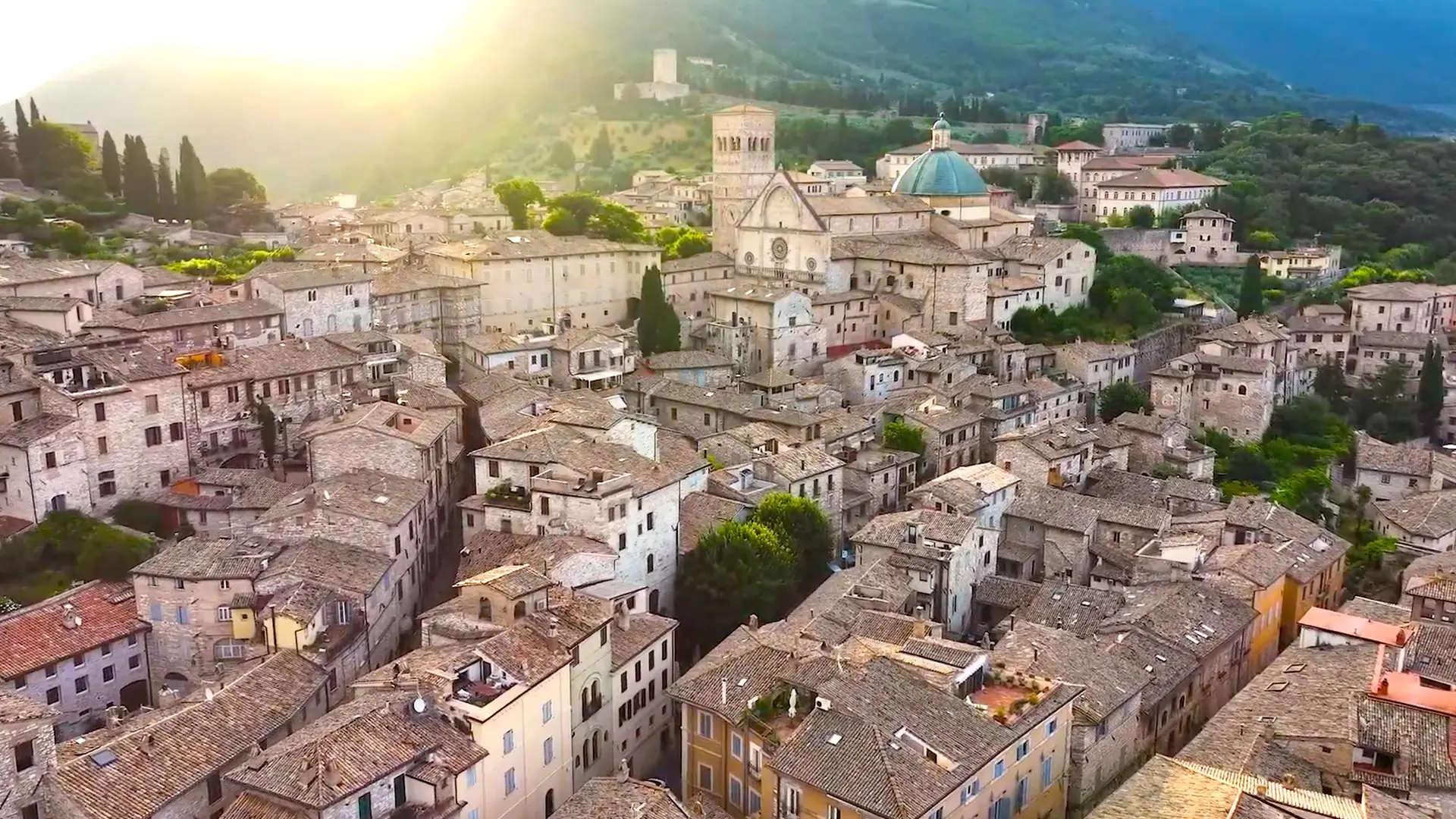
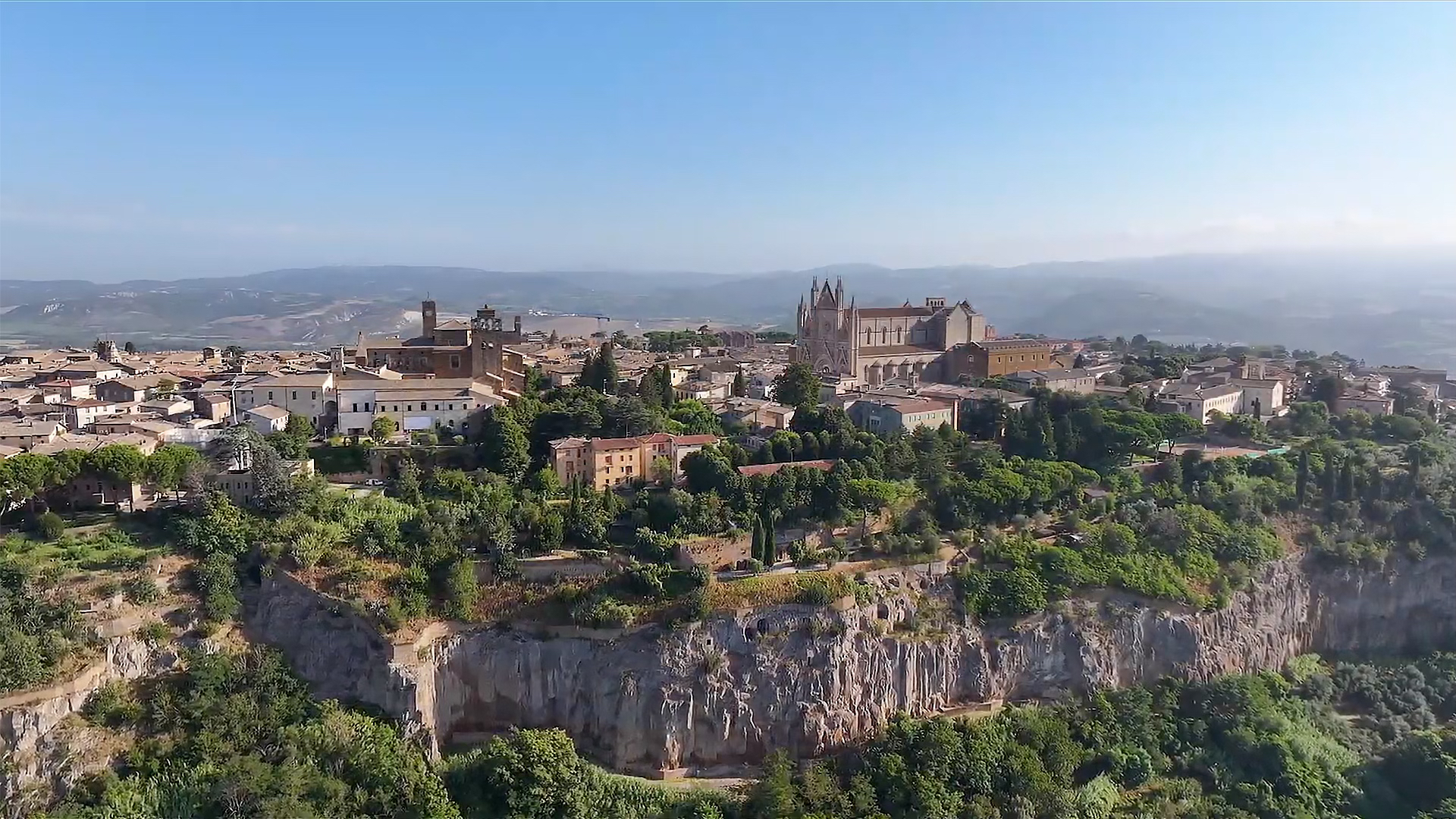
In the hill country about 80 miles outside of Rome, sits the small but magnificent city of Orvieto. From its breathtaking cathedral, to its heartfelt annual celebration of the Feast of Corpus Christi, to its dedication to creating beautiful Christian art, Orvieto is a bit off the beaten path but well worth a spot on any traveler’s itinerary. The wine is fantastic, too!
Transcript
Read the full transcriptAuto-generated · 885 words
In the heart of Italy, far from the sea but close to the soul, lies a land of ancient mysteries and deep traditions, Umbria. Here, among golden hills and silent villages, stands Orvieto, a city suspended between sky and earth, made of stone and light.
Every year in June, Orvieto transforms. The town dresses in flowers. Silence becomes sacred, and the community gathers to celebrate Corpus Christi. But this is no ordinary festival. It's a symbolic journey through three great gifts that bring this celebration to life.
The body, reflected in the majesty of its cathedral. The blood, flowing in the glasses of its wine, and the spirit, taking shape in the colors, sounds, and games of the popular festivity. Orvieto becomes a living mosaic, where faith, art, and life intertwine in a single, unforgettable moment.
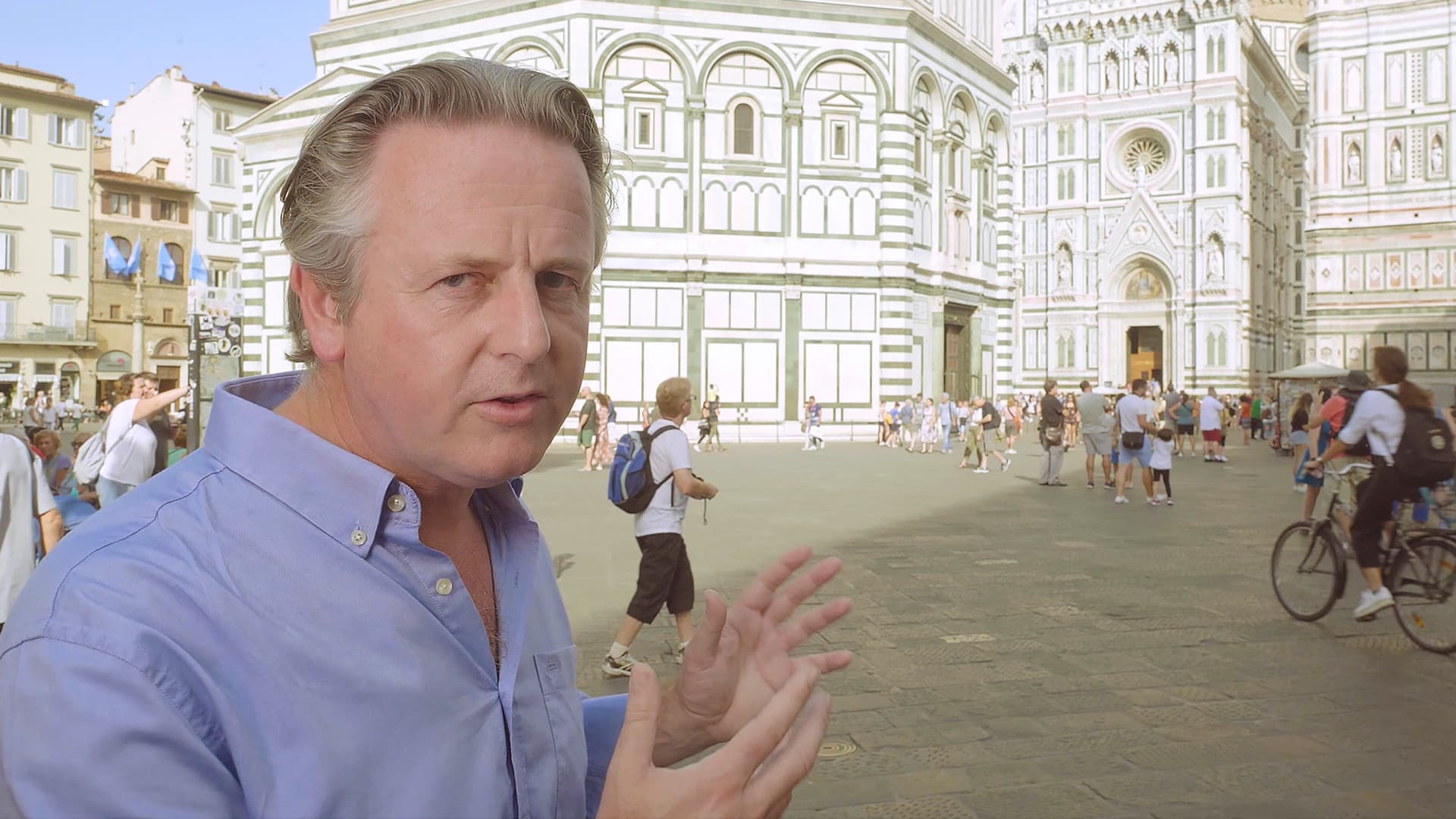
Founded by the Etruscans, chosen by popes, carved by faith, Orvieto has always been a place of power and mystery. At the heart of Orvieto, the cathedral is not just stone, it is the living body of faith. Built to safeguard a miracle, it remains today the tangible symbol of the divine made present.
The Duomo was born at the end of 1200, exactly in 1292, at the time of the first stone, by the will of the Pope, who at the time lived in Orvieto, to offer hospitality to what was the reliquary of the Sacro Corporale, a miracle that happened in the nearby church of Santa Cristina Bolsena, when a priest who had some doubts about the presence of Jesus during the celebration, drops of blood fell on the linen, which was on the stone at Bolsena, and both the stones and the sacred linen were stained.
That ancient blood-stained linen is still preserved in the chapel of the corporal. A relic, yes, but also a symbol. Faith made tangible. Outside, the façade is a golden story carved in stone. Inside, a hidden masterpiece, the chapel of San Brizio, frescoed by Luca Signorelli.
The Orghetans of that time, we are talking about the end of the 4th century, even made two contracts with Luca Signorelli, the first in which Luca Signorelli completed the work that Michelangelo had just started, which was only the first, let's say, veil on top, and ended on the upper part, therefore making all those beautiful scenes that you see from the Antichrist to the resurrection of the bodies. the period in which Signorelli painted them, because he was accompanied by his son and other maestros, and unfortunately his son died of plague during his work, and it seems that in the painting behind us, in that Christ, let's say, dead, the image is depicted, also dedicated to wanting to leave a memory of the son inside the chapel that he had built.
But it is in solemn moments like Corpus Christi that its true soul shines through. During Corpus Christi, the people gather around the body of the city, the cathedral. Here, everything begins, and from here, the spirit of the festival radiates.
June. The air smells of petals. Orvieto dresses in flowers. Its streets become canvases. It's time for the infiorata, a collective artistic and spiritual expression. It starts with sketches, designs created by art students. These are selected, adapted, and recreated with natural materials, flowers, seeds, leaves.
This year, we have used the thread of hope as a theme. Together with our bishop, we have carried out these works, which have been focused on what are the things that give us hope in order to better face our future.
Ten groups, a collective carpet stretching along streets and churches, and a competition, the Palio della Palombella. The Battle of the Balestri is a tradition that dates back to 1464, when two families of Orvieto, who, in order to achieve peace, arranged a marriage, and for this marriage, a feast was held in the city, and there was also the feast of the Battle of the Balestri. This tradition links us to the work of the Duomo, because it is a tradition. Orvieto isn't just to be seen, it's to be savoured.
After delighting the eyes, comes the delight for the palate. The most powerful aroma? Truffle. Black or white, it's the king of the table. It flavours umbricchelli pasta, pairs perfectly with aged pecorino cheese, and complements bold wines. The land tells its story, even through simple dishes.
Bread, wine, olive oil. Nothing is wasted. Everything transforms. Like an ancient ritual, bread dipped in wine by farmers. And then, the most famous of all, Orvieto Classico. Fresh, mineral, elegant, born from vineyards hugging the cliff and matured in cellars carved from tuff. We are here to tell you a little bit about our area, especially about Orvieto, one of the most famous white wines in Italy.
Since his death. And then, there's the spirit, joyful, participatory, effervescent, expressed in the competition that colours the daily gestures of a community living the festival as a shared ritual. In Orvieto, Corpus Christi takes shape and substance, in the cathedral that holds the body, in the wine that recalls the blood, and in the festival that embodies the spirit. Every June, stone, glass, and flower intertwine in one deep celebration. A miracle that lasts only one day, but remains in the heart forever.