Rome: The Soul's Soundtrack
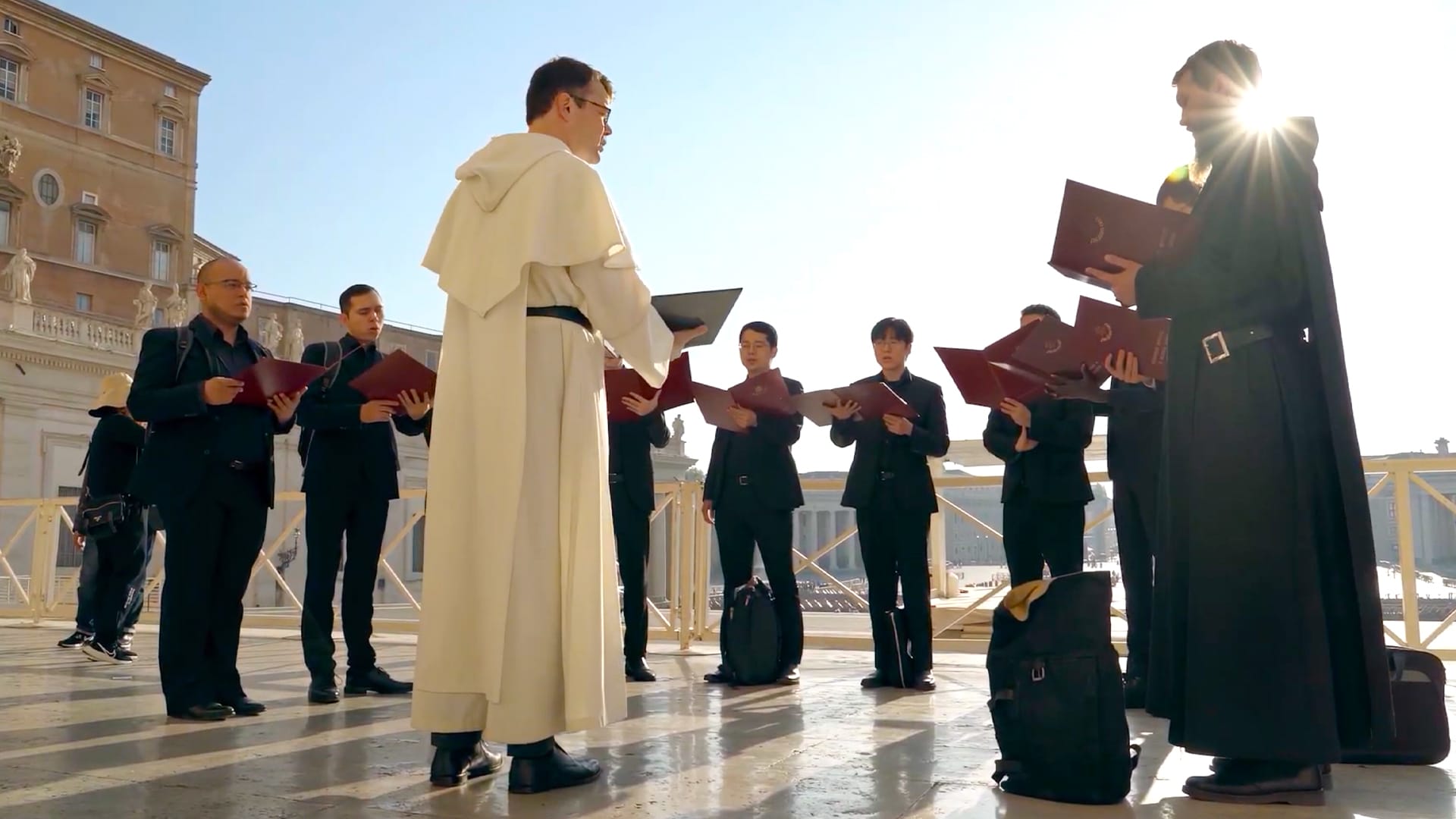
Meet the joyful, immensely talented Dominican priest who serves as director of The Pontifical Institute of Sacred Music—the gatekeeper and port of export for a rich, ancient tradition of song that rings out in Churches worldwide and even throughout today’s digital landscape.
Transcript
Read the full transcriptAuto-generated · 942 words
Thank you. In the heart of Rome, the Pontifical Institute of Sacred Music serves as a global sanctuary for the Church's oldest traditions. With over 150 students from 43 nations, ranging from Nigeria to Scotland and the United States, this unique institution trains priests, sisters, and laypeople to bring the growth of faith back to their home countries through song.
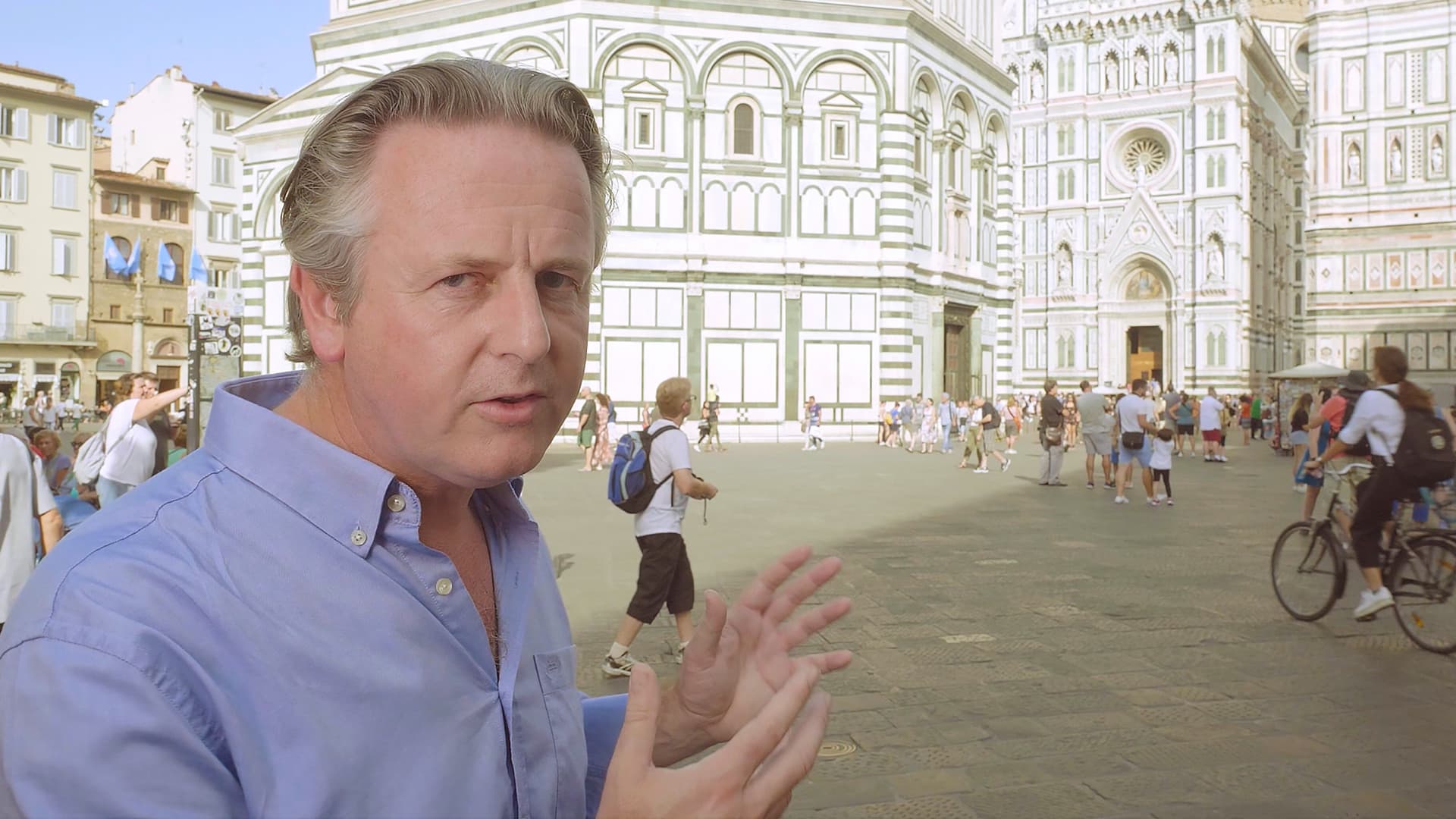
At the helm of this mission is Father Robert, a Dominican whose own journey began in the shadow of the Alps. I'm born in Bavaria, south of Munich. It's a beautiful country near the Alps. I was very lucky, because I went to a wonderful cathedral school, Catholic Cathedral in Regensburg, where I was a chorister under Georg Ratzinger, the brother of the future Pope Benedict XVI. He had a great impression on me, because he was a priest and a musician. So, we had mass every day, and we sang lots of hours a day, and of course, it was great fun with all of the friends.
During those nine years, I already had the idea, perhaps, you know, I could... I come first, and I thought, well, let's try it, and I encountered the Dominicans. And I fell in love with this order, and immediately, basically, after high school, finishing high school, I did a research. I finished the research. I stayed. I started music and theology at Vienna, then at Oxford. I did my doctorate at Vienna. I was a dental priest in Vienna, and then I actually served 10 years as director of music in Munich, and one lovely day, I received a phone call who had said on the mobile phone on the screen, An unknown number, Vatican City.
Oh my God! It literally was like that. And that was the very kind voice of Cardinal Medanza, and he said that I ended up on a list, and he wanted to ask me whether I would be willing to come to Rome to be director of the Pontifical Institute of Sacred Music. And I said, well, you know, can I pray it over? And so, yes, and so I did. I talked to my superiors, and then I ended up here.
Father Robert arrived to find a vibrant community dedicated to Gregorian chant, a repertoire he insists is far from being a relic of the past. Of course, it is the oldest repertoire we have got, but it's also the freshest thing you can imagine. So, you are never tired to study and to sing a piece of plain chant, because it's so old, and things that have survived 2,000 years. Only the best pieces survived 2,000 years. So, it's really the best music the Church has got.
It is intrinsically connected with the Word of God, so it's always connected. So, it is a meditation of the word of God, and by the same time, the proclamation of the word of God. So, it is wonderful, it is fascinating. Young people come and they want to study plane chant, and it is very fascinating.
To reach the modern world, the Institute has launched digital tools like Let's Sing with the Pope, a karaoke-style project to help pilgrims learn the chants of the papal liturgies. The thing with the Pope was born at the moment when Pope Leo XIV stepped out of the balcony, and sang Regina Ceri. There was a crowd of people, and the lucky ones knew the chant, and the other ones just couldn't join. And I thought, well, you know, we came out with that.
And then it just leapt really from the desk. I thought, you know, why don't we do a karaoke with that? And then, really, within one day or two days, it just came all together, and then we produced the first video, and it was a huge success, and then we just, you know, I think now it is 11 or 12. But Father Robert has also taken this sacred sound to the secular world through a collaboration with Sony Music. So, I was approached by Sony Music International, and they called me and said, you know, we need material, we need music for our playlist for meditation.
Because young people want meditation music, and they proposed a pianist, it is a jazz pianist, Tim Onhoff. He went to a Benedictine school in Bavaria, and so had contact with the repertoire and with the church, although he is a secular pianist. But there was a common understanding. And then I basically said, if it is just a couple of notes, but... The main thing is the plain chant, and there is nothing more. And they agreed to that, and it was fantastic.
Ultimately, Father Robert believes that training new composers and singers is about more than just preserving history. It's about joining a celestial song. I remember when I was a teenager, and that was a question that really perturbed me, because I didn't have an answer, and the question was, what makes music sacred? So, there's music, and there's sacredness, so what makes it sacred? And, you know, it really kind of tormented me, tormented me, and I went to Gerhard Singer, and he was already a blind old man.
And I said, you know, I have this question. So, you have spent your entire life as a musician and as a priest. So, what is the answer to that question? And he said, well, music is sacred when it comes from the spirit of adoration. Through the work of this institute, that angelic song continues to resonate, bridging the gap between the divine and the everyday.