Appalachia Strong: Part 1
Travel deep into the heart of western North Carolina to explore the aftermath of Hurricane Helene and its devastating impact on local communities. Through the eyes of a volunteer doctor, a pastor, and several resilient residents, this powerful documentary highlights the unwavering strength and determination of flood victims facing unprecedented destruction.
Transcript
Read the full transcriptAuto-generated · 1,738 words
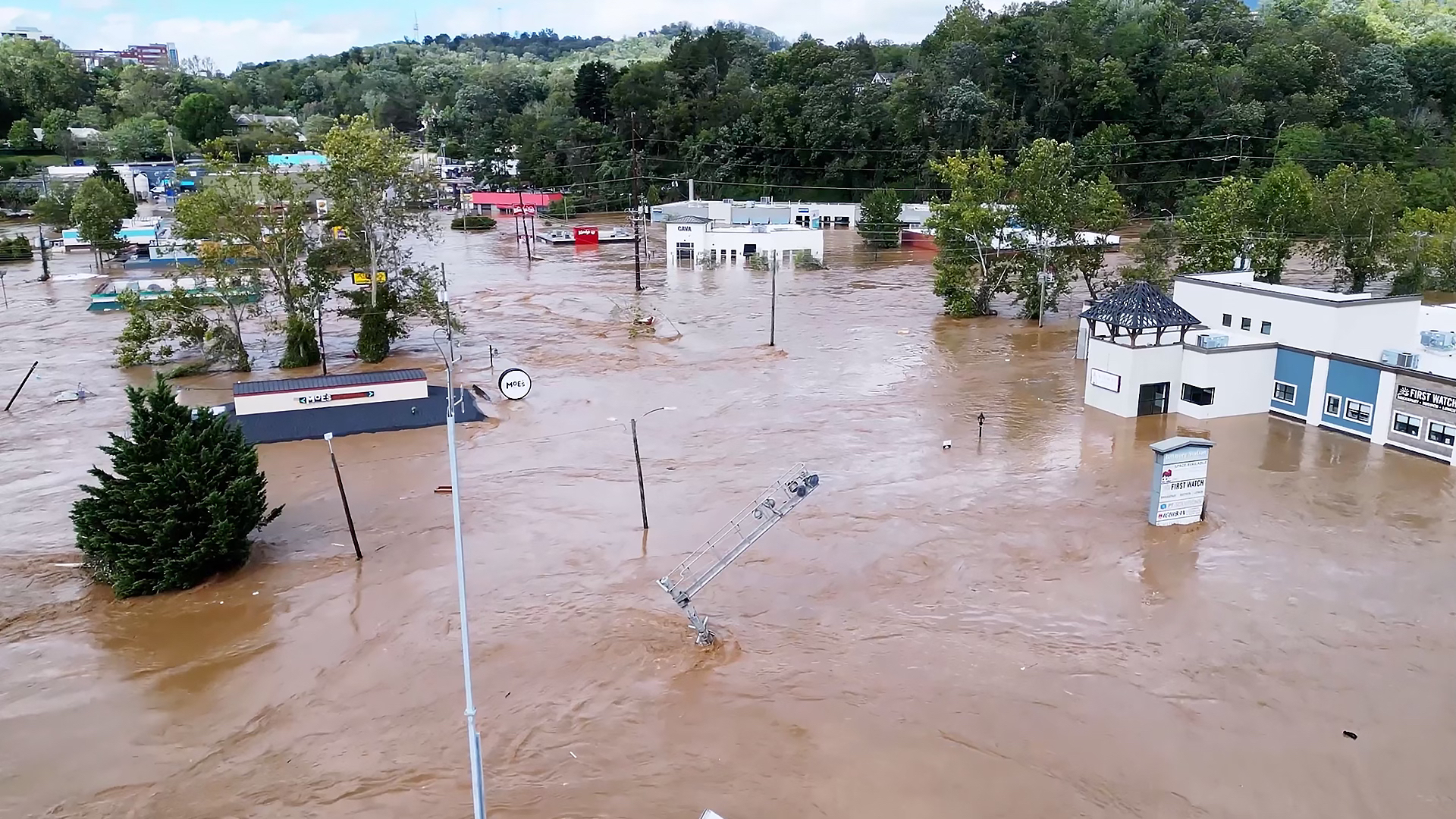
Nobody was prepared for this. This area does not expect a hurricane. It's almost like Iowa expecting a tidal wave, or Florida expecting a blizzard. When we crossed the flag pond this morning, there's trees everywhere. It's just so hard to explain, because it looks like a war zone.
A daughter and my dog and my wife watched it come up the next morning. Certainly, it is not going to breach the house, and it breached the house. And I said, I cannot possibly breach the next hill. It breached the next hill and flooded out my house, took everything, ripped all the porches off, just gutted the house.
I lost the whole farm. Two barns, a greenhouse. Lost everything. Just before the hurricane hit, we ended up having a large amount of rainfall that saturated the soil and filled the streams, filled the lakes, and then Hurricane Helene came.
The storm clouds of Helene just hovered over East Tennessee and Western North Carolina and just dumped so much rain in a very short amount of time. It was unreal. I'd never seen anything like it in my life, but when it come off the mountain, it took the road out, and anything on the other side in this valley was gone.
Absolute devastation of all that water, bringing trees, flash floods, washing out streams, washing out buildings, crashed into bridges, just created a wake of destruction. Gosh, that is a storm. My car is gone. I'm okay. It's okay. Everything's gone.
There goes my fridge. The people here had no idea that they were going to suddenly be faced with this kind of flooding, this type of damage. It was really a lot of last-minute dashing out the door, grabbing a purse, grabbing a wallet, grabbing the keys, hoping that they could find the animals, make sure that the cattle were in a higher field, and then it was trying to get out, trying to find a bridge that was still open. And it ended up becoming, for some people, There goes our memory.
She's saying we're going to lose the pole barn. How many years is this flood going to reset us? It's washed away concrete. Okay, what happened is it went deep. It dug deep. I know, but that's what I'm saying. But how do we clean this up? How do you clean this up? How do you come down from this? I don't know. I don't know.
And I've already called 911, and there's nothing they can do. Another one coming. Good afternoon. I'm Mark Starling. You're listening to News Radio 570 WWNC. You're listening to continuing coverage of the recovery and now rescue operations for Tropical Storm Helene here in western North Carolina. We're here for the duration. We did get some good news as there is potable water now at the downtown Asheville area. There are Starling units set up in the downtown Asheville area.
I want to go right to the hotline right now. What's happening, my friend? Our first floor is flooded up to about four feet, and we're up. Upstairs, we're safe, but my ram truck is underwater. Listen, do us a favor and keep our phone number handy, okay?
So, I am an emergency medicine physician. I live in East Tennessee right now. I was a prior Air Force physician for seven years, and for the last ten years, I have been in East Tennessee in Greenville, Greene County, where I have been the medical director in the emergency department there.
Hurricane Helene tore through western North Carolina this weekend, leading to flooded areas of Asheville reaching nearly 20 feet. The precipitation is being called a once-in-a-thousand-years flood event. I have no experience setting up a clinic. Our goal was to come out and provide assistance, maybe for a half day, to see if we could maybe help with body recovery. And within a couple hours of arriving in Asheville and seeing the devastation, We met up with the disaster response team, and were asked if we could start a clinic in West Asheville.
I had incredible friends and contacts who jumped in, and we made it happen. At least 103 deaths have been reported across North Carolina, with hundreds of residents still unaccounted for. All areas are said to have been permanently altered, with entire communities left uninhabitable, and recovery... We've always had a desire to live, again, in a rural community after living on Air Force bases.
After moving to Greenville, which is just on the other side of these mountains, we realized why, and it is because these are some of the best people you will ever meet. They don't want anything from anybody, usually. They are not looking for handouts. They don't want anyone to take care of them. They basically just want to work hard. Raised their families and build community, and their whole lives are built on usually around a community that consists of 10 square miles, maybe.
We were in some of the worst hit areas, I do believe. Most of the military people who landed up there, that was one of the worst areas they had saw as far as the devastation. There was loss of life. There was that. It just flattened. It absolutely flattened. I had to get my daughter out because of the visual.
I've been in the county about 20 years. I'm a teacher. My wife and I are both teachers here. These kids that get raised in this area, they become adults, and then have been pillars of this community. I lived in Cattail. We were contacted by the fire department and have since become absolute friends with everyone working down at the Pensacola Fire Department, who I credit with saving our lives.
Right around midnight, I think, 12, 12, 15, he knocked on my door and said, Brian, it's breached the road up there. And I said, Joey, already? It hasn't even started raining. It was raining, but it had to rain until 12 o'clock the next day. Yeah, the big storm was supposed to hit, and I said, Joey, I'm going to jump in my truck with my family, and we're going to go sit at the highest point on my property. I was up most of the night, and the next morning, we had to sit there and just watch it.
It was right in front of us. The waters came up, flooded out my house, took everything, ripped all the porches off, just gutted the house, flooded the barn. Luckily, our chickens made it on the help. They did, but flooded the entire barn out, ruined everything, took everything we had.
So, last week, Helene basically anchored over this area for a few days. The soil was already inundated with water, and the water that was typically on this mountain stream was probably nothing more than a stream feeding into Bolin's Creek. But, because the water had no place to go, it looks like it came just in a torrent down that mountain with mud and debris and basically wiping out everything in its path. You can see it fed into Bowlands Creek all the way down to the French Broad River.
The destruction, this is probably one of 1,000 areas just like this. John Kitsteiner, who I knew in the Air Force, we were both based at Lodges Air Base together. John is an emergency room doctor. He heads the Greenville Hospital ER department. I am now a minister of the gospel and pastoring a church in South Green County. Military people, if they have served together, usually stick together, and once I found out what he was doing.
And found out that he was going to be ministering to the physical needs of people. He asked me if I would be willing to help with the spiritual needs, and of course I am. And there are so many other people helping, but I'm glad I could be part of John's efforts to bring some medical assistance to the folks here.
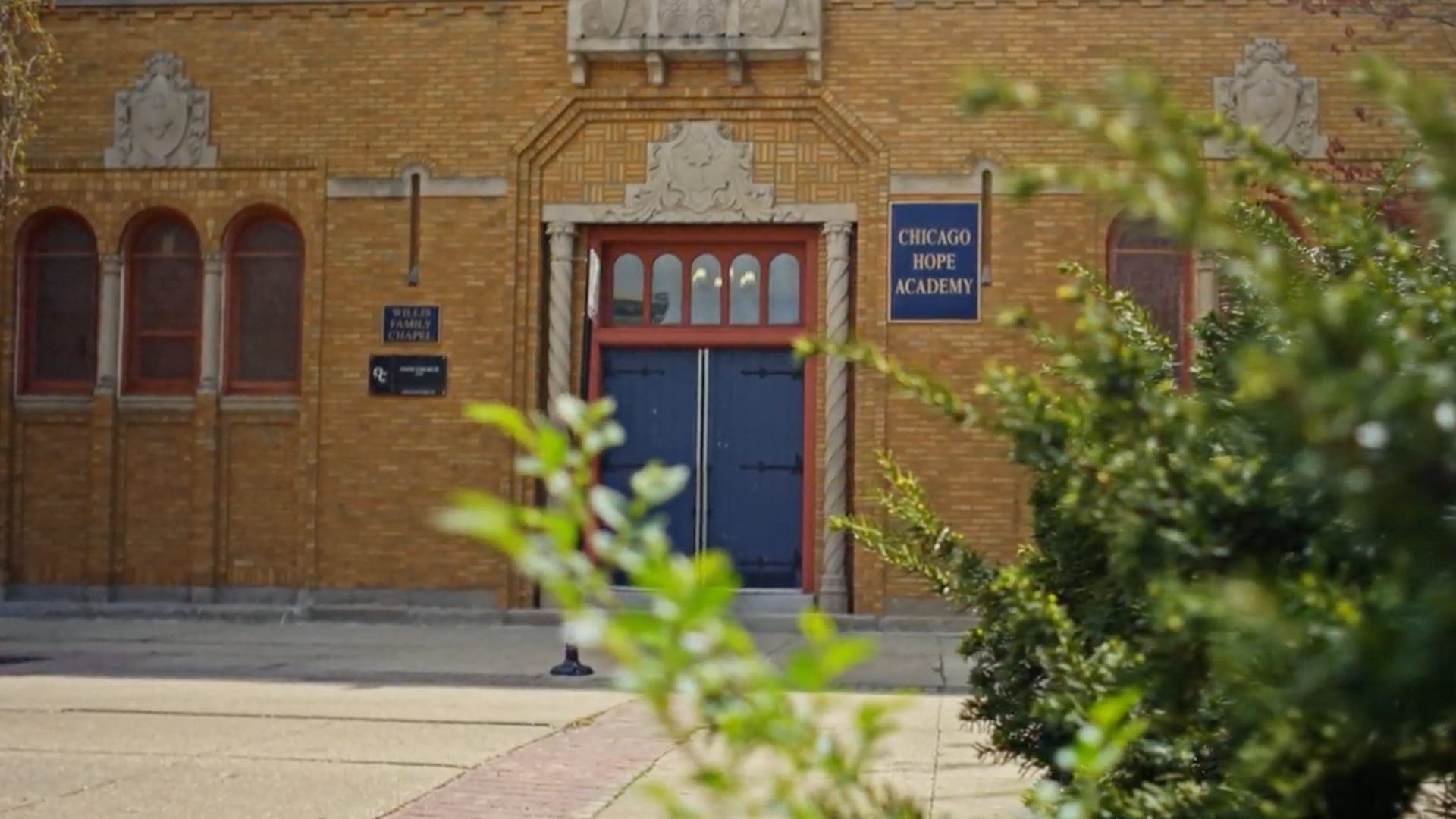
So, as I pass by these red brick churches, it is just encouraging because there is no doubt in my mind that when the doors are open again, people are going to be there. People's hearts are being turned back to God by situations just like this.
We knew that there was going to be a need, as water was not going to be available for a long time. A clinic in the city itself was going to be very helpful, but there were a lot of people that still couldn't get down out of the mountains.
There's just small roads that go up there, only one way in, one way out. And many of those roads were completely washed out or severely damaged, and there was a lot of people that are isolated up there, older folks that either don't even have cars, they might have a small car that couldn't handle, that's not a four-wheel drive.
We had to actually send a few people out from the clinic to try to see what local resources were needed now that we were actually here, and one of the volunteers, Jason, came in very worked up. There's 75 to 100 people stranded 25 miles away. There were people out stuck in a holler. It's a small valley, a hollow. No doctors, he said. There's no nurses. There's no paramedics because there's no roads. We have small groups. We've got a lot of four-wheel drive.
Pickup trucks, we can get out there to them. They need help. They said that's the most urgent right now. So, they actually have a list of items that we need, so we can put this together. And so, we put together a couple teams, and so we decided that we could go mobile. It has 100 to 175 people, one baby, like five kids.
We went out to find the people that were stuck in these remote, isolated areas that needed help. Next on Forgotten USA, part two of Appalachian Strong. And it is just heartbreaking to see it look like this. We are following their directions on how to get up there, hoping that the roads are not washed out. Prescriptions, we cannot deliver those up here because they told us no. They were literally stopping me and him from probably saving lives.