Scotland bishop fights to raise awareness of assisted suicide’s devastation ahead of vote on key bill
Even though the bill would not apply directly to Scotland, the bishop of Paisley urged people to contact their Members of Parliament to vote against a bill legalizing assisted suicide in England and Wales. He was previously outspoken when a similar bill threatened Scotland, and the country’s parliament ultimately voted against it in March.

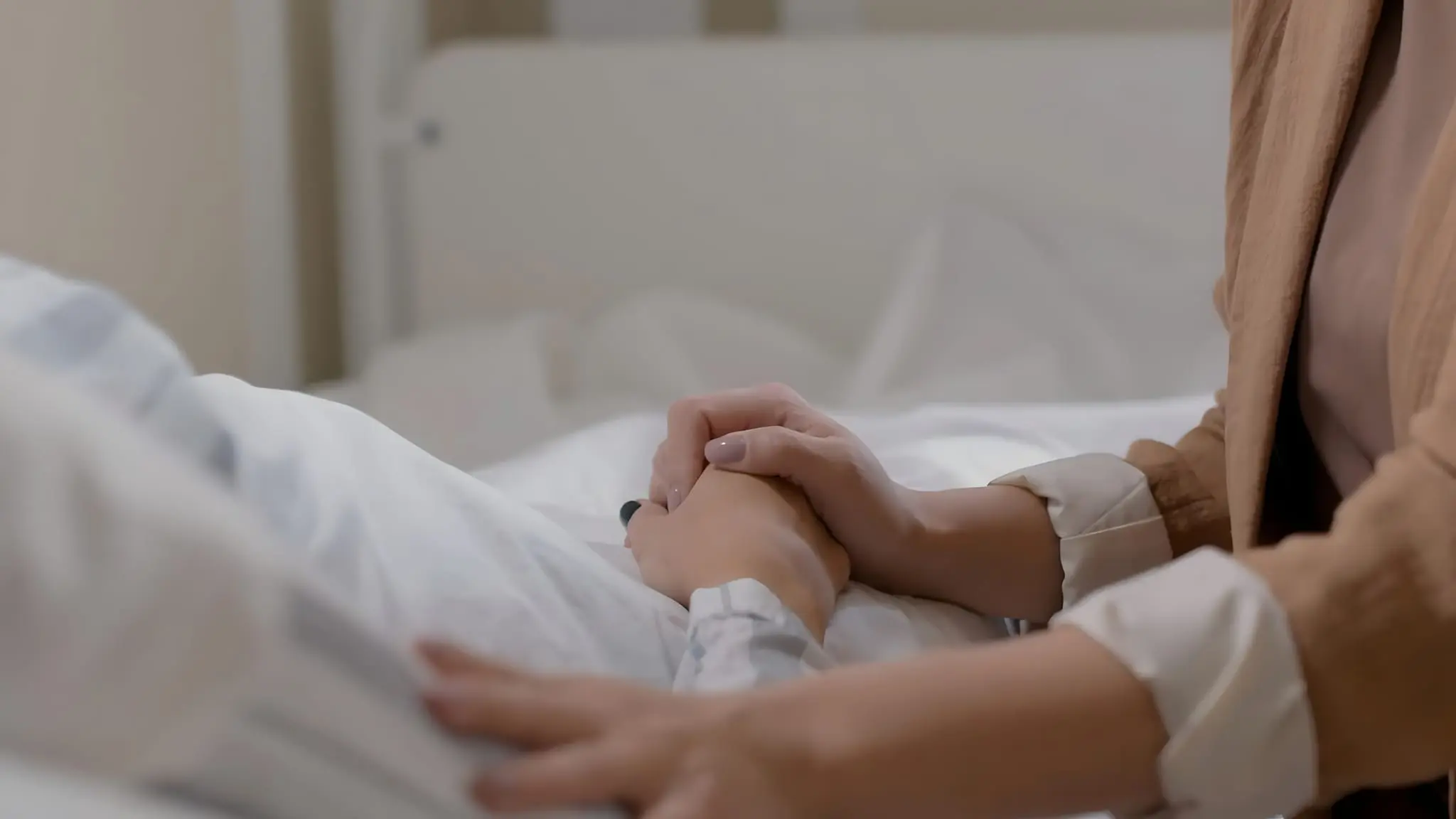
As the Westminster House of Commons prepares for a debate and key vote Sept. 11 on a bill to legalize assisted suicide, the president of the Bishops’ Conference of Scotland is urging Catholics throughout Scotland to tell their Members of Parliament (MPs) to vote against what he described a “deeply unsafe bill.”
Scotland’s Parliament voted against a similar bill legalizing assisted suicide in March, but Bishop John Keenan warned in his Aug. 21 pastoral letter that if the Westminster bill passes, it would significantly increase the likelihood of Members of Scottish Parliament (MSPs) revisiting the issue. The bishop emphasized that Scotland and the entire United Kingdom needs “a renewed commitment that no one should face terminal illness alone, afraid or without dignity.”
Bishop Keenan called for the countries to invest in improvements to caretaker support, as well as palliative and hospice care. He also outlined the Catholic reasoning for opposition to assisted suicide and further emphasized that supposed safeguards around legalizing assisted suicide could not fully remove the risk of coercion.
“Changing the law would place vulnerable people, including the elderly, the disabled, the seriously ill and those who feel they are a burden, at risk of pressure,” he said. “No safeguard can remove that danger completely.”
Zeale News has previously reported about the failures of safeguards in countries and states that have legalized euthanasia or assisted suicide, highlighting both the inherent and subtle dangers of allowing physician-assisted suicide to be accessible, even if to a purportedly narrow population.
Bishop Keenan, who is president of the conference’s Marriage, Family, and Life office, explained that the bishops’ opposition to assisted suicide is based in compassion, affirming the dignity inherent to every person even amid deep suffering.
“Every person, from conception until natural death, possesses an inviolable dignity as one made in the image and likeness of God,” he said. “Illness, frailty, disability, dependence or fear must never lead society to conclude that some lives are no longer worth living. The proper response to suffering is care, presence, skilled palliative medicine and practical support — not the deliberate ending of life.”
He said that the bishops welcome calls from Prime Minister Andy Burnham for palliative and social care to be prioritized before MPs even debate about assisted suicide again.
The bishop had also emphasized that his letter comes “at a grave moment for the protection of human life.” Writing in bolded letters, he urged the faithful: “Please act now.”
“Contact your MP today and ask them, respectfully and urgently and, in your own words, to protect vulnerable people and support better palliative and hospice care by voting against the Terminally Ill Adults (End of Life) Bill,” he wrote.
Further, he invited Catholic parishes and organizations to facilitate prayer, discussion, and witnesses of love regarding the issue.
“Let us speak with clarity, compassion and confidence in the Gospel of Life,” he concluded. “Let us pray for all who are seriously ill, for their families and carers, and for those in public office, that they may uphold the dignity of every human life and work to build a society that truly cares for its most vulnerable members.”
Days later, Bishop Keenan issued a statement encouraging Scotland to build a culture of life, as the nation prepares to publish its Programme for Government, which outlines the legislative priorities for the upcoming year. He reflected on the development of public policy and how it should cultivate the common good, especially by protecting the weakest members of society, supporting families, and strengthening communities.
He also urged the Programme for Government to affirm commitment to protecting human life from conception until natural death, listing several public policy focuses that could concretely support this. Support for women and families facing crisis pregnancies, care for elderly and disabled people, and addressing homelessness, addiction, and child poverty were all focuses he mentioned.
“The common good requires more than the pursuit of individual advantage or short-term political gain,” he added. “It calls for conditions in which every person and family can flourish: decent work, secure housing, accessible healthcare, good education, safe communities, care for creation and respect for freedom of conscience and religion.”





Comments