Substack spotlights wisdom from Tolkien and Pope Leo for ‘bystanders’ in the age of AI
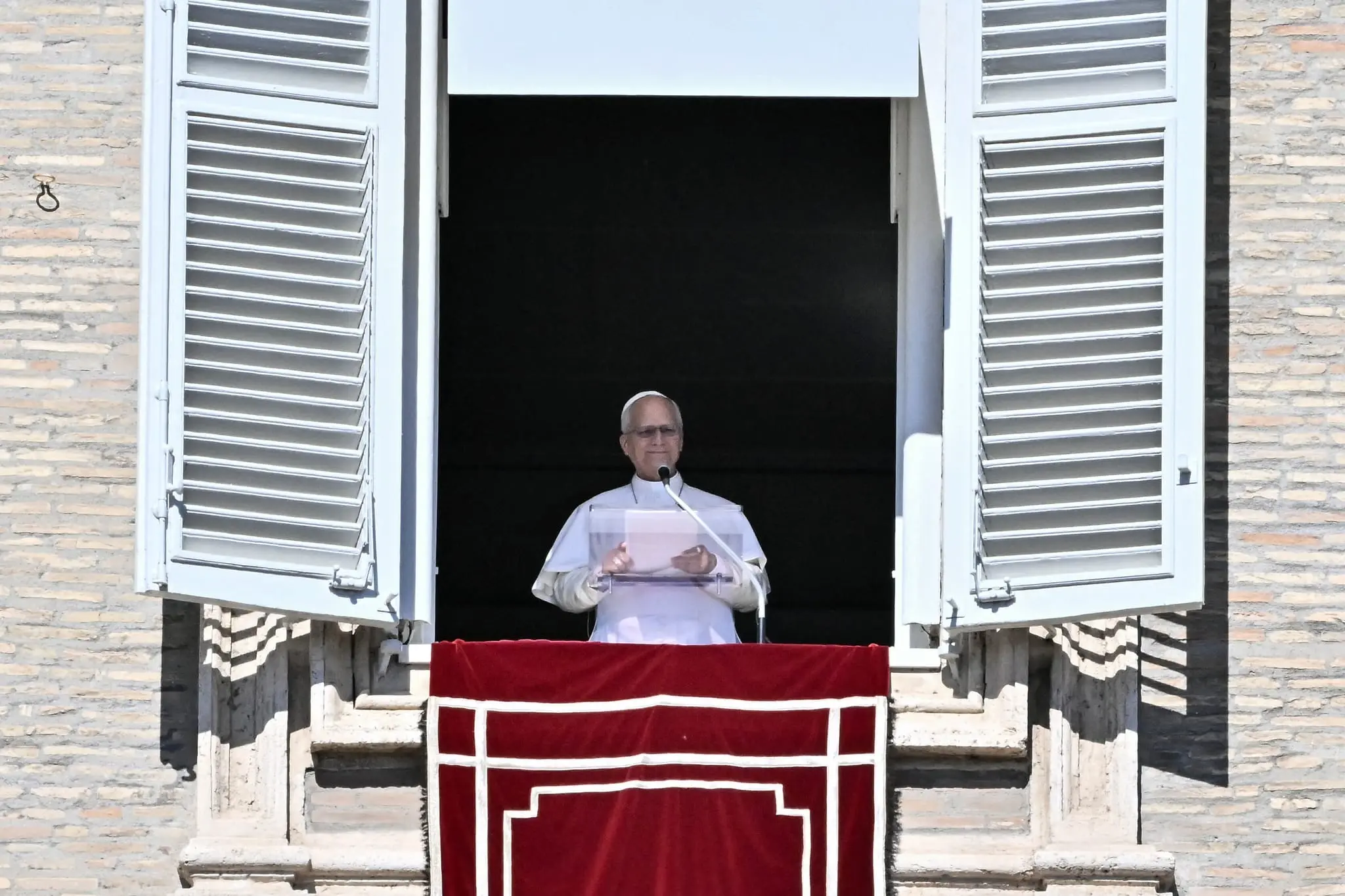
Insights from Pope Leo XIV’s encyclical, which quotes 20th-century author J.R.R. Tolkien, indicates that the responsibility of “bystanders” watching the development of artificial intelligence (AI) is to safeguard human identity by carrying out daily life with love, a writer for the political advocacy organization Catholic Association recently argued.

Insights from Pope Leo XIV’s encyclical, which quotes 20th-century author J.R.R. Tolkien, indicates that the responsibility of “bystanders” watching the development of artificial intelligence (AI) is to safeguard human identity by carrying out daily life with love, a writer for the political advocacy organization Catholic Association recently argued.
In his encyclical Magnifica Humanitas, Pope Leo in part “speaks to those of us who stand — or would like to stand — on the sidelines, ‘watching and waiting, observing from afar and merely hoping for the best,’” Ann Corkery wrote in a May 27 Substack for the Catholic Association.
The Pontiff’s reflections on what it means to be human offer several points that can be put into practice, she continued.
“The beginning and end of Leo’s vision is an understanding of the magnificence — the grandeur — of humanity,” she wrote. “That magnificence, that grandeur, is ‘revealed in its fullness in Christ, the splendor of which no machine can ever replace.’”
Human persons are made in God’s image and likeness, have reason and will, and are capable of loving others, she emphasized.
“We are also given the power to cooperate with divine creativity itself by loving and bringing children into the world,” Corkery wrote, adding that human persons are also called to work — something the Pontiff described as a “fundamental good,” not something merely a “problem to be dealt with.”
Corkery noted that Pope Leo has also said that a fundamental dimension of our humanity is the ability to care for each other, giving the examples of reading to a child, spending time with elderly people, and even making a home feel welcoming through intentional design.
These gestures, Pope Leo said, “teach us to value care at a societal level and train us to recognize others as persons worthy of attention.”
AI is fundamentally different from being human, and even Chris Olah, an AI executive at Anthropic, has admitted to not fully understanding it, according to Corkery.
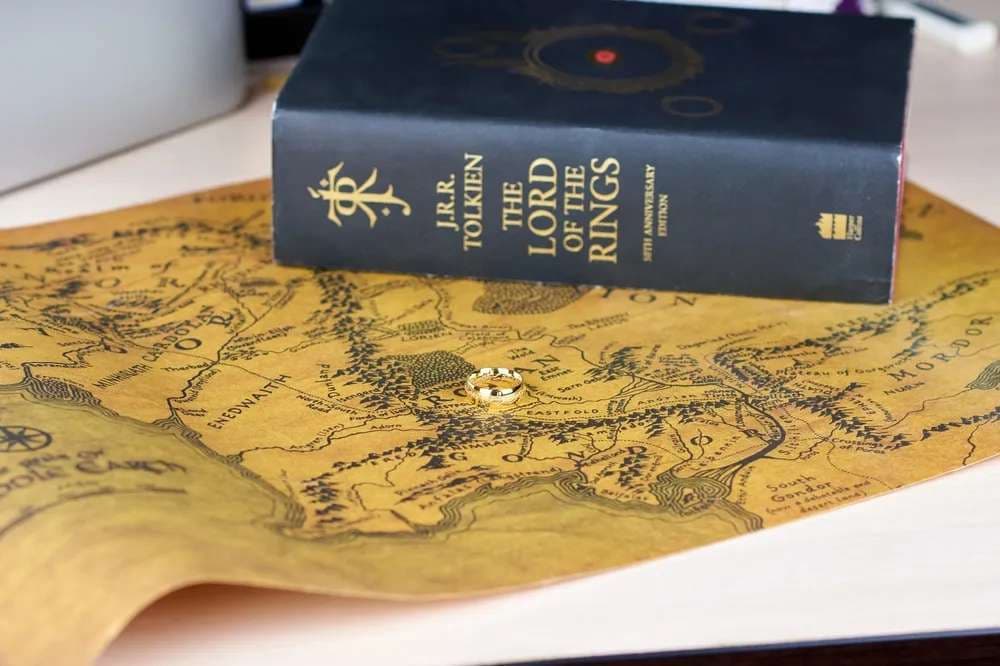
She then wrote: “So what is a sincere bystander to all this to do? Tolkien may provide an answer — or at least a hint of one.” Pope Leo quotes from the Catholic writer’s book The Return of the King in his encyclical, saying that it offers a description of everyone’s responsibility.
“It is not our part to master all the tides of the world, but to do what is in us for the succour of those years wherein we are set, uprooting the evil in the fields that we know, so that those who live after may have clean earth to till. What weather they shall have is not ours to rule.”
In other words, according to Corkery, most people are not called to grand, earth-changing deeds. Instead, they are meant to use their gifts and talents to love those nearest to them.
“We are called to cultivate the fields nearest to us: our families, our children, our communities, our schools, our churches, our work, and our moral imagination,” she wrote. “Most importantly, we are called to resist the quiet temptation to surrender our humanity — our loves, our duties, our friendships, our sacrifices, our creativity, our worship, and our wonder — to systems that cannot comprehend what it means to be human.”
>> On AI and human identity: Pope Leo's social media post about AI goes viral <<




Comments