Trump lashes out at 'unpatriotic' House lawmakers for resolution to rein in his war powers
President Donald Trump on June 4 denounced a House vote seeking to limit his authority to continue military operations against Iran without Congressional approval, calling the effort "unpatriotic" and signaling he would veto the measure if the Senate passed it.

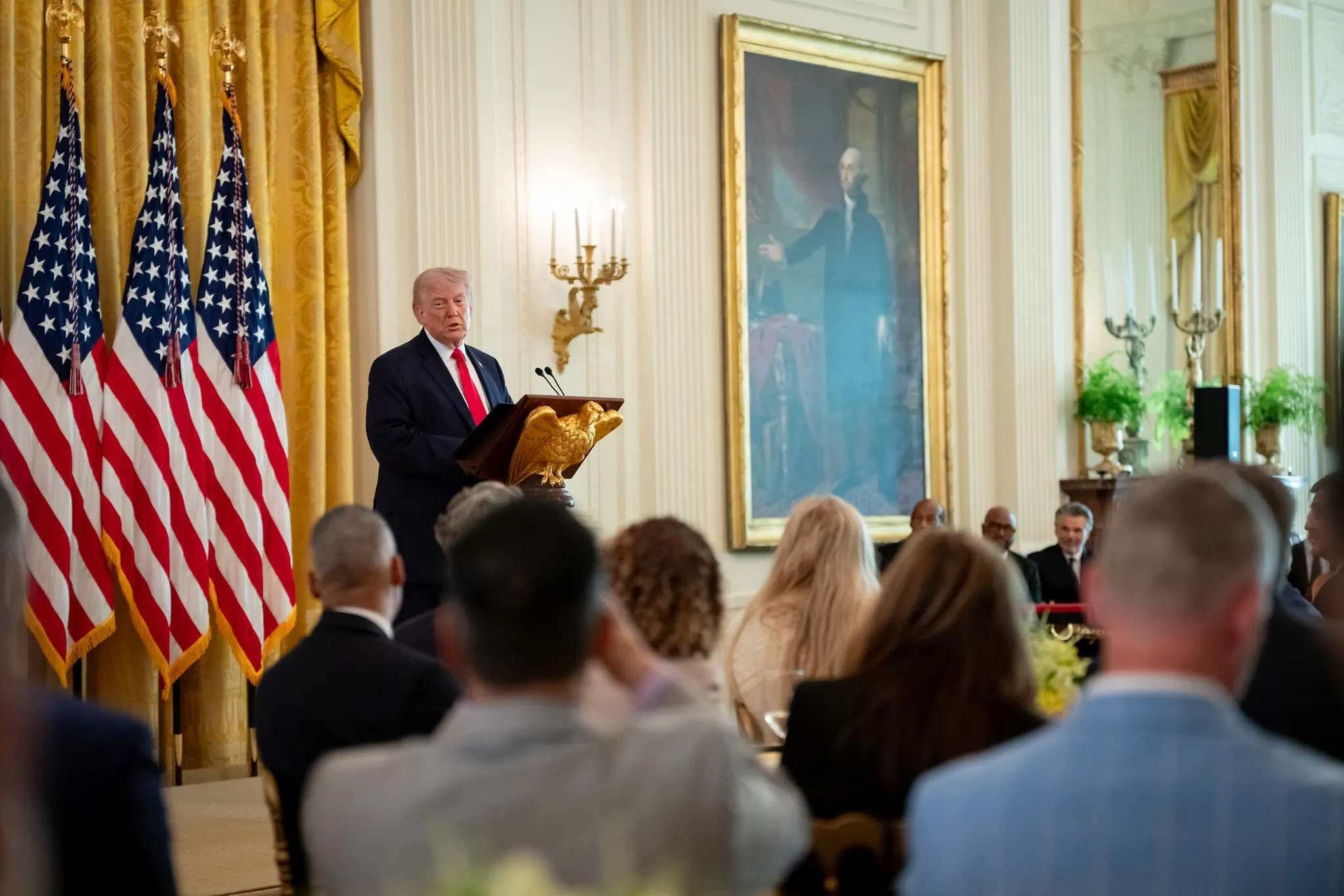
President Donald Trump on June 4 denounced a House vote seeking to limit his authority to continue military operations against Iran without Congressional approval, calling the effort "unpatriotic" and signaling he would veto the measure if the Senate passed it.
As Zeale News reported, the Republican-led House voted 215-208 the night before to approve a war powers resolution directing Trump to withdraw U.S. forces from hostilities against Iran and its proxies unless Congress authorizes new military actions. Four Republicans joined Democrats in supporting the measure.
>> House moves to curb Trump’s Iran war powers as Israel accepts Lebanon ceasefire <<
In a post on Truth Social, Trump dismissed the vote as "meaningless" and accused lawmakers of undermining U.S. negotiations with Iran.
"Yesterday, in a meaningless vote, the House voted, 4 bad Republicans and all of the Dumocrats, to limit my War Powers, right in the middle of my final negotiations to end the War with the Islamic Republic of Iran," Trump wrote. "Who would do such an unpatriotic thing."
The White House has argued that attempts to restrict Trump's military authority are unconstitutional and indicated the President would veto any version of the legislation that reaches his desk.
Trump attacked the four Republicans who supported the measure by name — Reps. Thomas Massie of Kentucky, Brian Fitzpatrick of Pennsylvania, Tom Barrett of Michigan, and Warren Davidson of Ohio — calling them "GRANDSTANDERS" who "should be ashamed of themselves."
The House action marked the latest congressional effort to rein in Trump's war powers as the conflict with Iran enters its fourth month.
The resolution's path forward remains uncertain. Because the House approved a concurrent resolution, an identical measure passed by the Senate would not require Trump's signature. However, if senators amend the legislation, it would become a joint resolution requiring presidential approval – which Trump could veto.
The Senate advanced a similar war powers measure in May but has not yet scheduled a final vote.
Critics of the administration argue Trump is already operating beyond the time limits established under the War Powers Resolution of 1973, which generally requires presidents to obtain congressional authorization for military action lasting more than 60 days. The administration has disputed that interpretation and questioned the law's constitutionality.





Comments