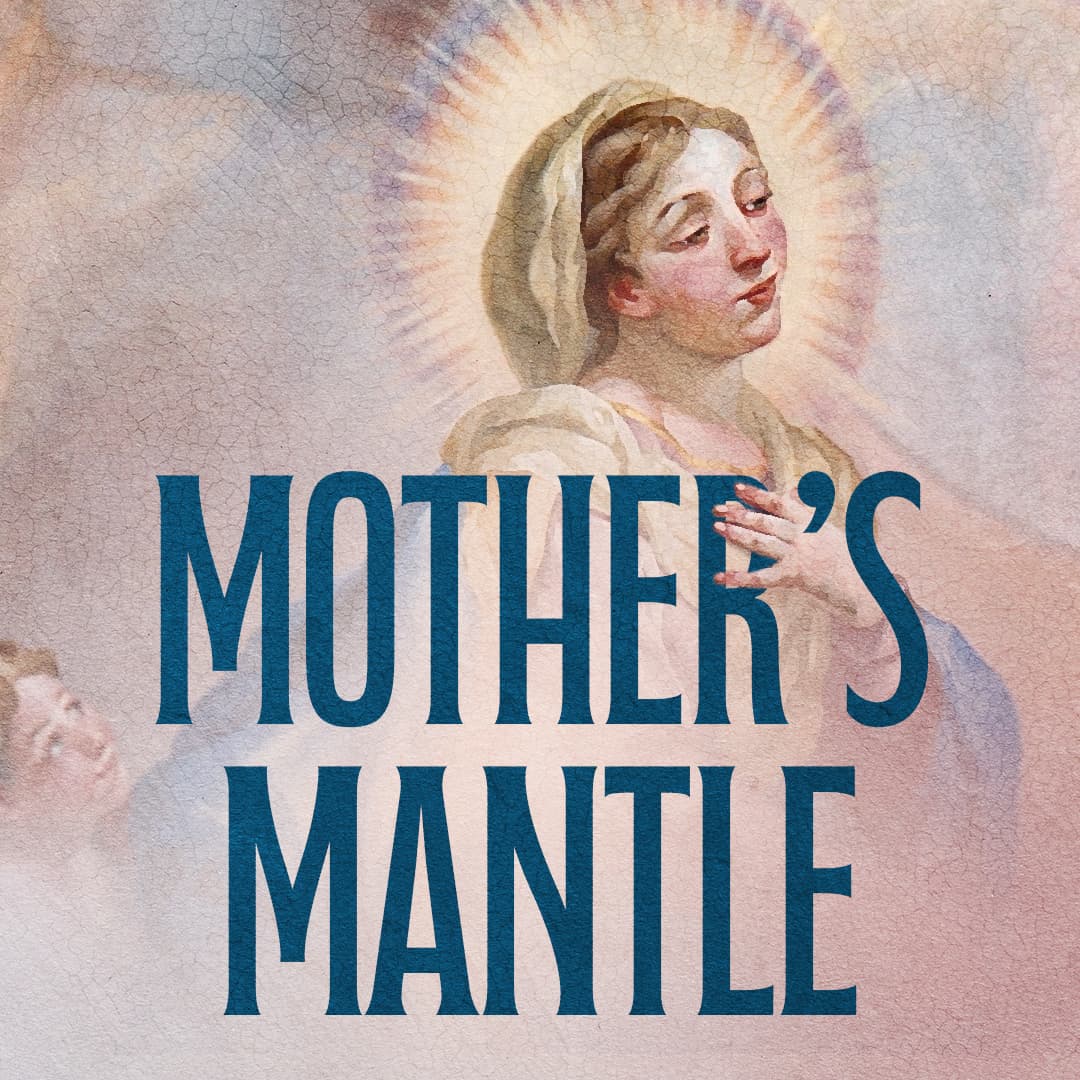
On the rugged French Alps, two shepherd children came across a beautiful, weeping woman who lamented frequent blasphemy and the imbalance that had developed between spiritual and material priorities among people. She also warned of her Son’s extreme displeasure with the situation. Hear the story of Our Lady of La Salette.
Transcript
Read the full transcriptAuto-generated · 396 words
On September 19, 1846, in the isolated and rugged setting of the French Alps, an event occurred that would shake 19th-century rural society. During a period of intense economic transformation and a gradual distancing from religious traditions in the countryside, two young shepherds, Mélanie Calvat and Maxime Giraud, reported an encounter with a female figure bearing unusual features.
It was not a triumphant or ethereal vision, but a presence marked by profound human suffering, caught in a moment of quiet weeping, sitting on a rock in a steep ravine. The Beautiful Lady, as the children described her, appeared surrounded by a dazzling light, with her head in her hands and tears streaming down her face. She wore clothes similar to those of local peasant women, but enriched by celestial symbols.
A crown of roses, and a heavy chain across her chest, from which hung a crucifix with a hammer and pincers. The message communicated was a severe warning about the moral conduct of the population. The figure expressed sorrow for the profanation of Sunday, which had become dedicated to work instead of rest and prayer. And for the widespread habit of using the name of Christ disrespectfully, her words were accompanied by warnings of severe famines and the loss of potato, grape, and walnut crops, signs of a spiritual and material balance that had now been broken.
In this scenario, Mary entrusted the visionaries with a complex secret, calling for a genuine conversion to hold back the arm of her son. And rallying the small number of those who choose the path of light against the empire of darkness.
The episode of La Salette stands out in the history of apparitions for the visual power of the weeping, interpreted not as a form of victimhood, but as a language of ethical and social warning. The Prophecy of Failing Crops, read through a modern lens, takes on the meaning of a reflection on the relationship between human actions and the consequences for the stability of a community.
More than a simple devotional tale, La Salette emerges as a radical critique of indifference and a call to individual responsibility. This event has left a lasting mark on European culture, proposing the image of a spiritual dimension that actively participates in human crises, and urges a reconstruction of values starting from the poorest and most forgotten margins of society.