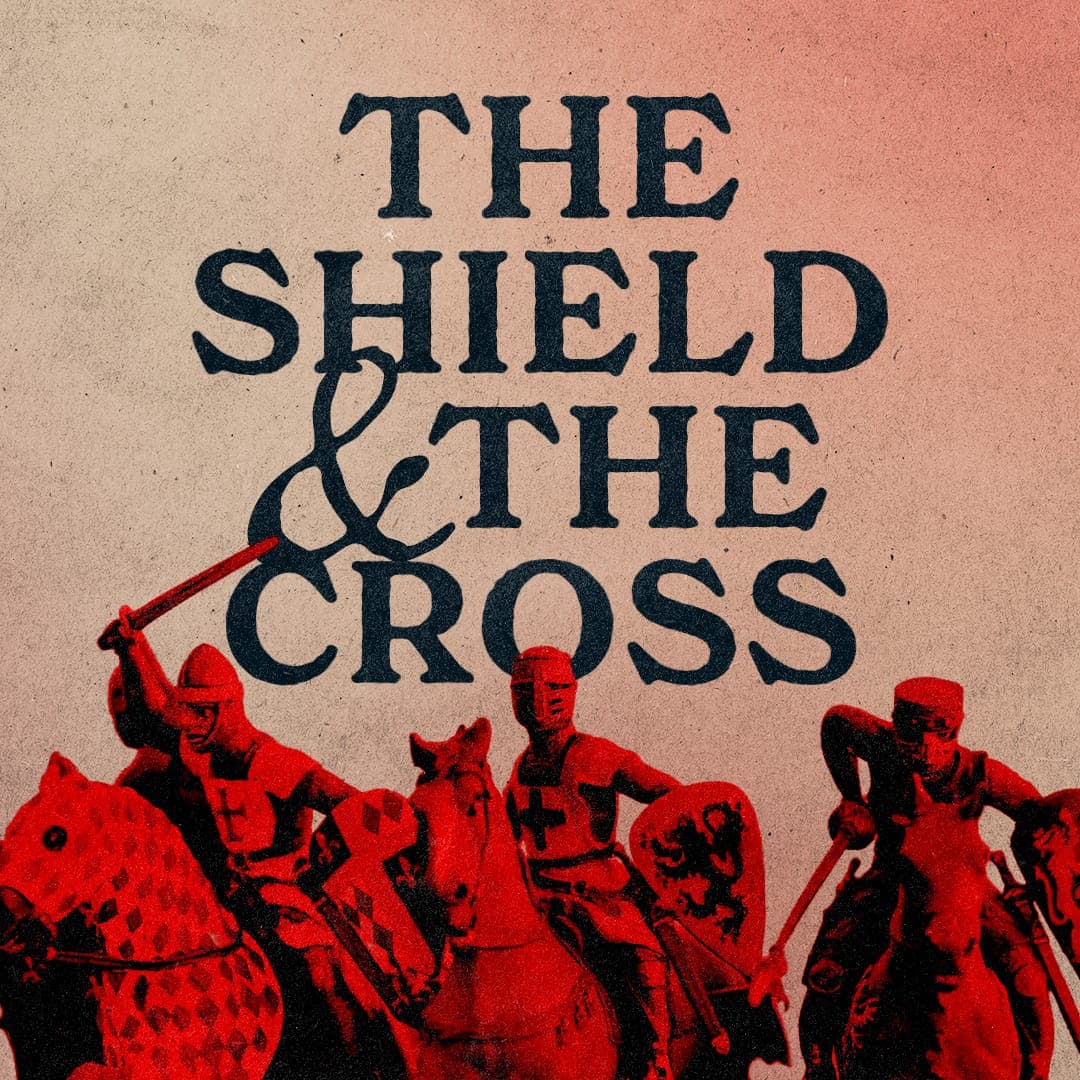
The Birth of the Knights
The mounted soldiers of ancient Europe's warring kingdoms once terrorized the poor, until bishops showed them the error of their ways, a better use for their strength, and a noble path toward the future.
Transcript
Read the full transcriptAuto-generated · 474 words
What does a knight mean to you? Maybe you picture a man in shining armor saving a princess. But the reality is much more fascinating, harsher, and above all, more sacred. Today, we begin a journey through time to discover how the Christian knight was born. Not just a soldier, but a man with a mission, to be the shield of the weak and the sword of the faith.
After the fall of the Roman Empire, Europe was a mosaic of small, warring kingdoms. The Milites, the mounted soldiers, were often little more than armored bullies who terrorized the peasantry. But between the 10th and 11th centuries, something changed. Bishops began to proclaim the peace of God. They gathered crowds in open fields, displayed the relics of saints, and told the warriors, If you strike an unarmed cleric, if you rob the poor or a widow, you are cast out from God's grace. It was the first step toward chivalry as we know it.
The church didn't try to eliminate the warriors, it tried to give them a soul. The concept of Miles Christie was born, the soldier of Christ. Strength was no longer a right to dominate, but a duty to serve. But how did one become a knight?
It wasn't just a military promotion. It was almost like an ordination. The most evocative ritual was the Vigil of Arms. Imagine a young aspirant. The night before the ceremony, he was taken to a dark chapel. He was immersed in a ritual bath, a sign of purification, like a second baptism. Then, he put on a white tunic for purity, a red robe for the blood he was ready to shed for Christ, and a black cloak to remind him of the death that awaits every man.
He spent the entire night on his knees, alone, before the altar where his sword lay. In the silence of the cold stone, he had to face his fears and his ambitions. He prayed not for glory, but for the strength to be just.
In the morning, he received the accolade, a ritual blow to the shoulder or the back of the neck. It was the last blow the knight would ever have to take without returning it. From that moment on, his life no longer belonged to him, but to God and his neighbor.
That ancient oath, to protect the weak, to speak the truth, to honor the church, did not vanish with the Middle Ages. Every time a man chooses personal sacrifice for a higher good, the spirit of chivalry lives on. In the next episode, we will see how this spirit transformed into an organization.
We will head to the dusty streets of Jerusalem to meet the most mysterious order in history, the poor fellow soldiers of Christ, better known as the Templars.
More from The Shield and the Cross
Listen Next

You Might Also Like
Magnifica Humanitas: An Inside Look
An American Pope
A Blessing for America on the 250th Anniversary of Independence
The Virtue of Patriotism

Confirmed: Obamacare Plans Cover Abortion
The Morning LOOPcast

AI Execs Do 180: Beg for Regulation, Viral Texas Indians Pic, And CatholicVote Political Director On Ground Game
LOOPcast