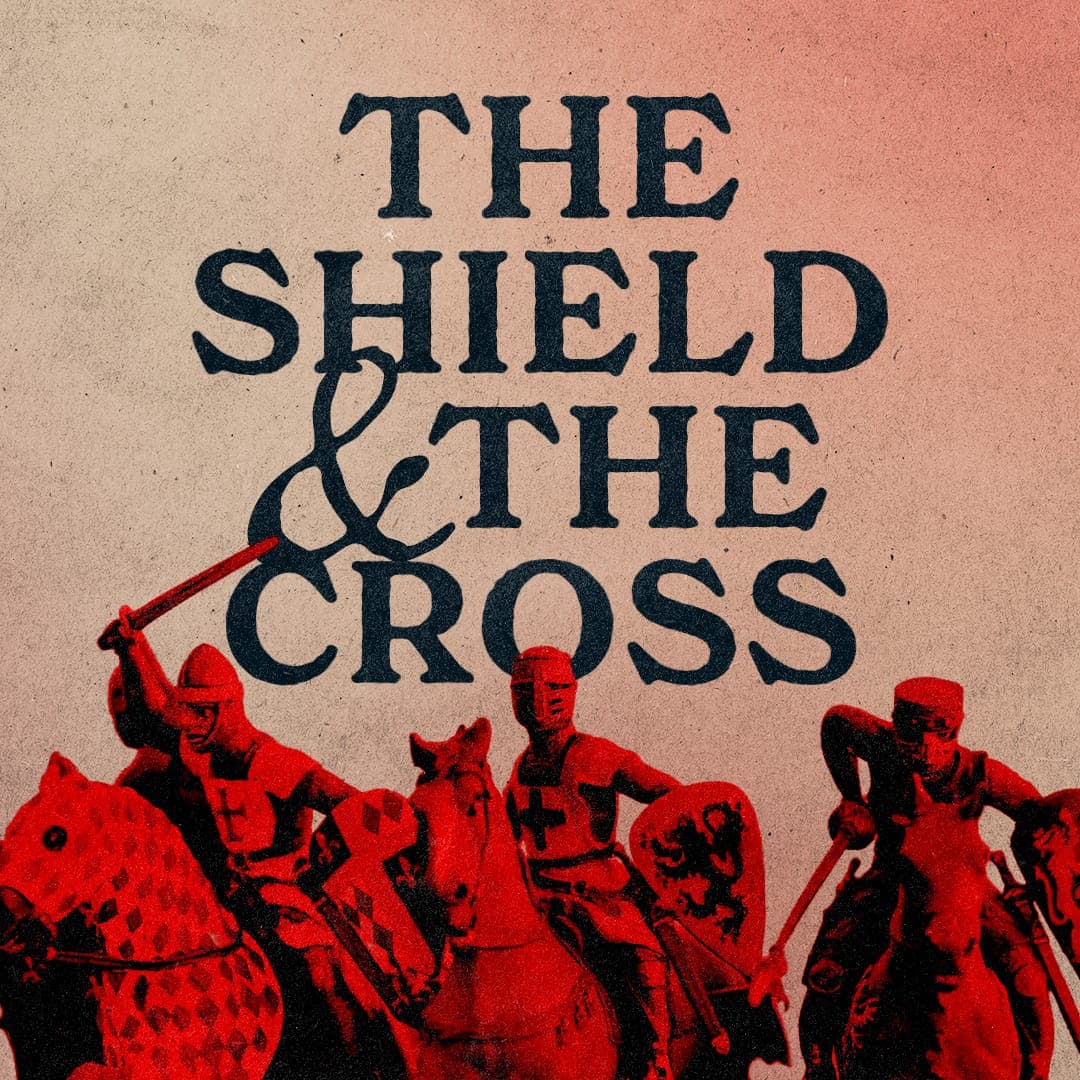
The Templars: The Warrior Monks
In 1119 A.D. Christian pilgrims en route to Jerusalem were being robbed and murdered, until nine French knights swore to defend the roads pilgrims traveled. The Knights Templar grew into a great brotherhood, an order of protectors, who would fight to the death for the glory of God.
Transcript
Read the full transcriptAuto-generated · 457 words
Imagine a man who has taken a vow of absolute poverty, who spends hours on his knees reciting the Psalms, but who wears a coat of chainmail under his white tunic, and knows how to wield a sword better than anyone else in the world. This was the Templar, a living paradox, a man who combined the discipline of a monk with the skill of a warrior.
For centuries, their name has been surrounded by legends, hidden treasures, and dark secrets. But today, we strip away the myth to find the truth. The story of men who gave everything to defend pilgrims on the road to Jerusalem. It all began in 1119, just a few years after the conquest of Jerusalem. The roads of the Holy Land were treacherous, Christian pilgrims were being robbed and murdered by raiders.
Nine French knights, led by Hugues de Payne, decided to do something never seen before. They presented themselves to the king of Jerusalem and made a vow. They would protect those roads. They had no money, they had no land. The king granted them a wing of his palace, which stood exactly where the legendary Temple of Solomon once remained.
Hence the name, the Poor Fellow Soldiers of Christ and of the Temple of Solomon. In the beginning, they were so poor they could only afford one horse for every two nights. This image became their official seal, a symbol of humility and Christian brotherhood.
But how did they become the elite force of the Middle Ages? The answer lies with one man, Saint Bernard of Clairvaux. The great saint and mystic wrote for them the in praise of the new knighthood. Bernard explained to the world that a Templar committed no sin in fighting the enemies of the faith. Rather, he was an avenger of Christ against injustice. Their lives were defined by communal prayer, grueling training, and silence. The white mantle they wore represented purity. The red cross, martyrdom.
They were prepared to die, and that made them invincible. The Templars became immensely powerful, managing history's first banking systems to allow pilgrims to travel without carrying cash. But their true strength didn't lie in gold. It lay in their unwavering faith.
When they fell in battle, they didn't do it for land, but for the kingdom of heaven. Their end was tragic and sudden. Amidst trials and burnings at the stake. But their spirit, the idea that a man can dedicate himself, body and soul, to God, has never died. While the Templars manned the walls, another group of knights tended to the wounds. In the next episode, we will discover the story of the Knights Hospitaller, those who served Christ through the sick and the poor.
More from The Shield and the Cross
Listen Next


You Might Also Like
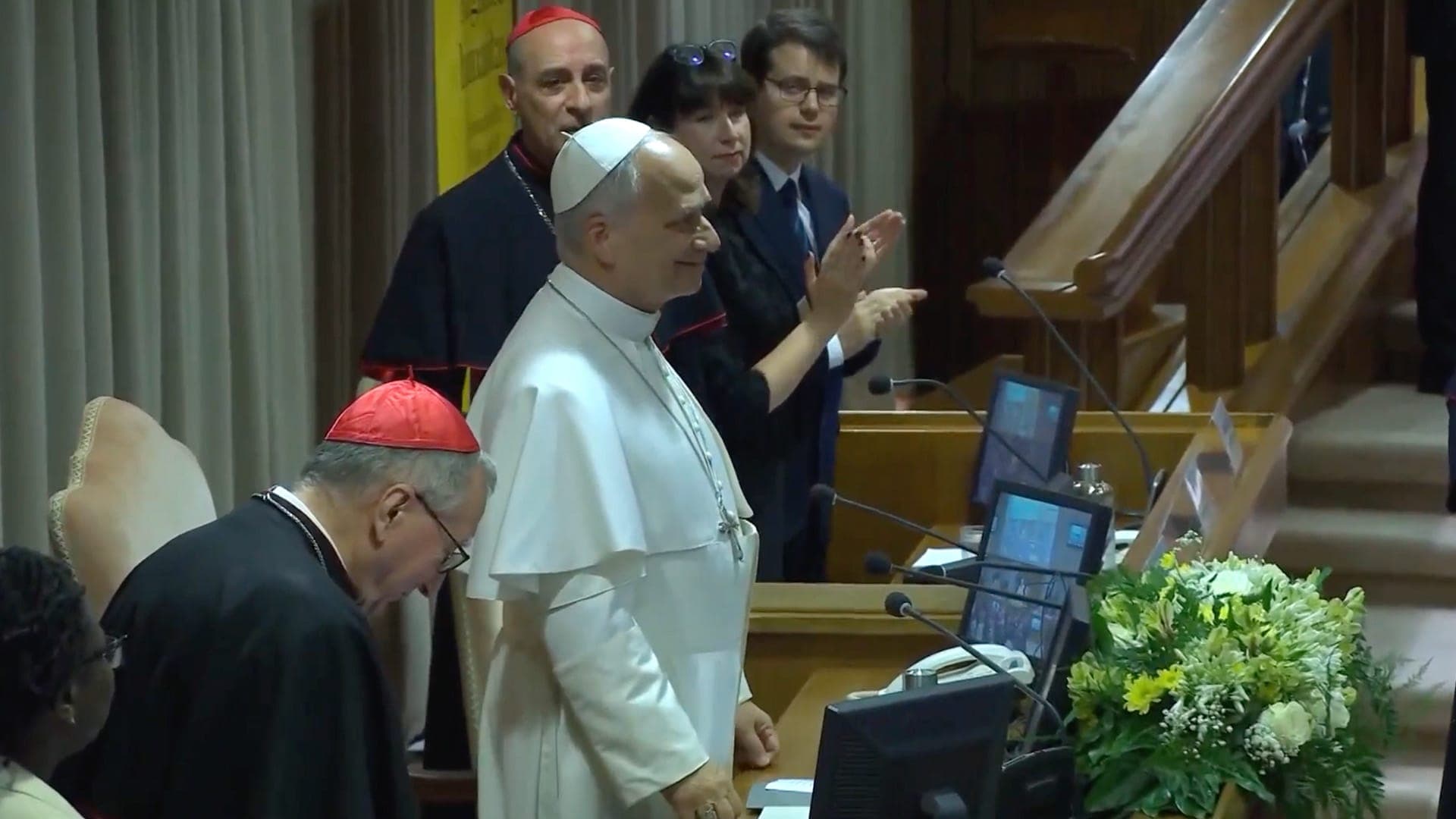
Magnifica Humanitas: An Inside Look
An American Pope
A Blessing for America on the 250th Anniversary of Independence
The Virtue of Patriotism

Confirmed: Obamacare Plans Cover Abortion
The Morning LOOPcast

AI Execs Do 180: Beg for Regulation, Viral Texas Indians Pic, And CatholicVote Political Director On Ground Game
LOOPcast