The Steubenville Story
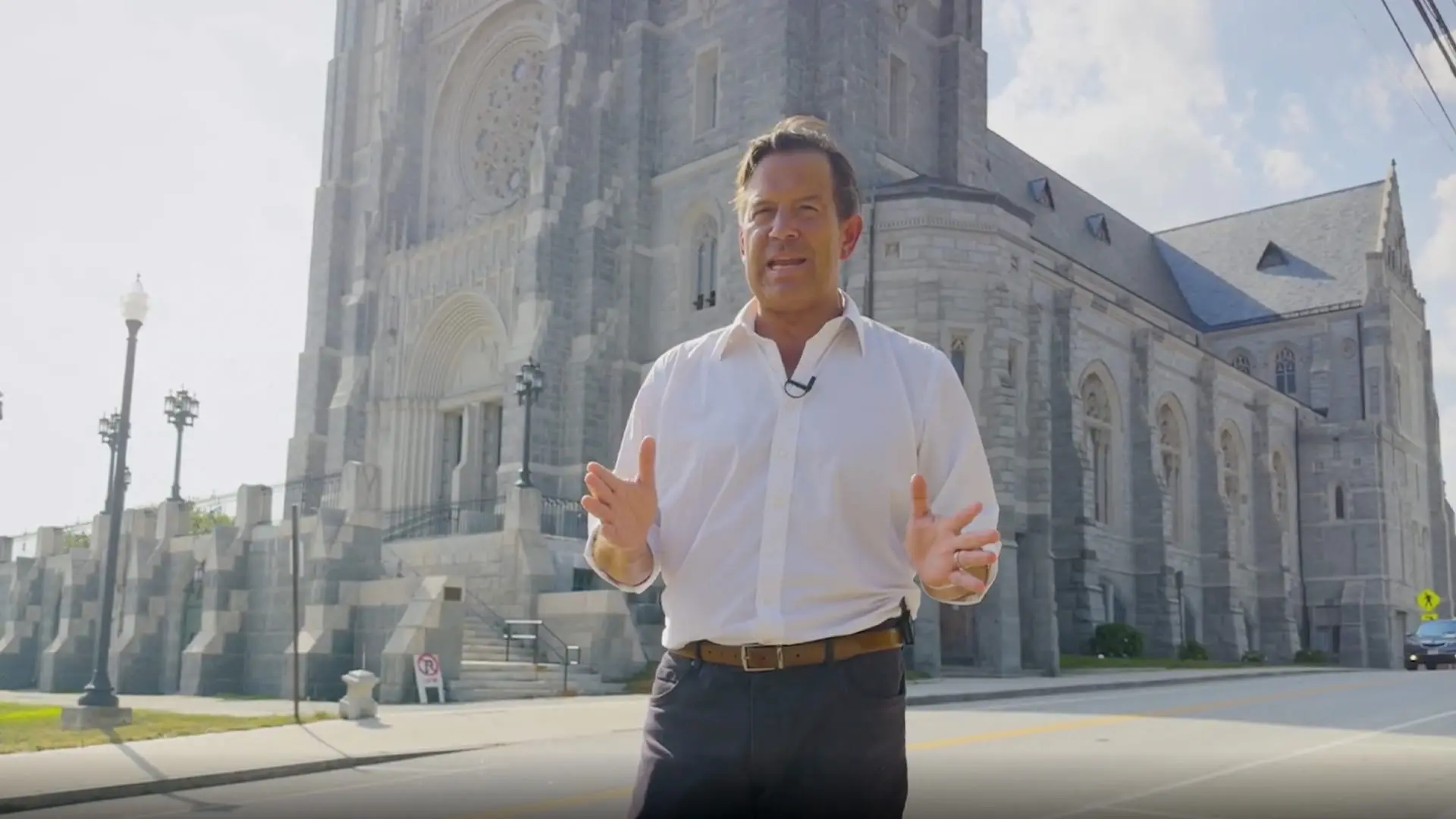
The once thriving steel town of Steubenville, Ohio, had become a shell of its former self. Jobs, people, and hope had all left town with seemingly no chance of returning. See what a small contingent of dedicated citizens with a passion for revitalization and community-building has done to breathe new life into a city that seemed to be drawing its last breath.
Transcript
Read the full transcriptAuto-generated · 3,008 words
There's a bend in the Ohio River where the fog hangs heavy in the morning. That's where you'll find Steubenville, Ohio, a town carved out of steel and soot, pride and perseverance. Once a jewel of America's industrial heartland, now it whispers its story in rust.
It began with dreams. Settled in the late 18th century, Steubenville quickly became more than just a stop on the map. It was a town of grit and ambition. It was work. And from its humble streets rose one of the Union's fiercest defenders, Edwin Stanton, Abraham Lincoln's Secretary of War. A man who helped preserve a nation during the Civil War. His orders may have echoed from Washington, but his backbone? That was forged here.
Generations later, other voices rang out from Steubenville. One had a swagger and a smile. Dean Martin, the King of Cool, who sang his way from smoky bars to Vegas lights. But even Dino couldn't croon away the change that was coming.
This was the steel belt, America's mighty arm, from Pittsburgh to Youngstown to Steubenville. Factories roared like titans. Molten metal poured like promise. Fathers and sons clocked in with lunch pails and came home with stories burned into their palms. But fire doesn't last forever. By the late 20th century, the furnaces had cooled.
The jobs that built the middle class were boxed up and shipped overseas. One by one, the mills went quiet. Steel turned to silence. It was during this unraveling that the region earned a new name, the Rust Belt. Not out of nostalgia, but out of reality.
Because the iron and steel that once built America had been left to decay. Rusted beams, collapsed roofs, silence where once there was noise and pride. Families packed up, schools closed, main streets emptied. What was once the beating heart of American progress became something else, forgotten.
But something stubborn remained. Something that suggests that the story of Steubenville... We have been people of industry. It's in the makeup of the people of the Ohio Valley. But when the steel mills began to falter because of NAFTA, because of steel shifting to China, we went through a period of decades where there was such discouragement.
Steubenville is a very economically depressed town. If you had told me before that I would end up not just living in Steubenville, but wanting to live in Steubenville, I would have told you you were crazy. We went from a population of about 30,000 to 40,000, declined up until really the present day to around 17,000.
We moved a lot of production overseas because we could get cheaper labor there, and the American people suffered the consequences. It wasn't just a loss of jobs. It was a loss of a future for many people, and their children began, as our children have had to do, to begin to leave. Eventually, numbers of people simply abandoned their homes here. It's like, I have to leave the area to find work to support a family.
When I ran for council the first time, people were saying to me, My biggest investment is my home, and I will never get any money out of my home. I feel trapped here. When I first came to Steubenville, I was given two pieces of advice. One of them was to love Jesus, and the other was to never go downtown.
I obeyed one of those, but I ended up downtown. Emptiness does feel dangerous. Emptiness is a loss of hope, it's a loss of life, and you think, what's gone wrong? Downtown, there are always a couple businesses hanging on, and I loved those businesses because you kind of knew they were good. I mean, you can have Yelp reviews, or you can survive the apocalypse, and it seems to me like doing the latter gives you a little more street cred.
So, a group of us who thought very similarly started to explore our own place, the place that had been given to us, the place that was kind of a surprise to us, and walking around its empty streets, and looking at its dilapidated buildings, and meeting the people who are living and loving and suffering in the downtown, and we became really in love ourselves. That was one of the reasons we started the First Fridays Festival, because we know once you To fill a place with life, it opens up a whole new world of possibilities.
So what if we invited food trucks, people just selling their own craft goods, vendors, and we set them up very deliberately in front of just the empty storefronts, but then we left the active businesses there? Well, then what would happen, we thought, is that if you went downtown on that day, The vision you would have is of a thriving downtown. It is incredible how easily it worked, and in the moment that you filled all of those gaps up, and it did not matter what people were selling.
They could be selling crochet, they could be selling potpourri. The moment you fill those gaps and create the sense that we are one place, we are one people, we are all. People respond with great joy. Older people, I'm talking like 60s, 70s, and 80s, came downtown in those days, looked at it, and said, this reminds me of what downtown was like. I remember going to this store with my mom and dad, and we would get ice cream at the soda shop there, which in some ways was funny.
It's like, look, we set up tents and tables. That's not what people love. They love the presence of others. This event, First Friday, the theme is pirates, which is great for kids. This is home. Everybody knows each other. You're comfortable here. You know, it's nice to go out and see people that you recognize, and they recognize you.
Growing up in Steubenville has been quite an experience, especially these last couple years with all the revitalization. There's such a great community, all people coming. There's been so many new shops opening up, and I love my city. But since starting the First Fridays Festival, we have gotten to see those empty storefronts are becoming full. Full-time bookstore, coffee shop, popcorn shop, new restaurants, baked pizza place, burrito store, cigar store. I mean, things that we didn't expect, but have started to fill in those spaces, really.
I'm Adam Sandinato. I'm the general manager here at Chesterton Cigars. Our goal is really simple. It's just to become the finest purveyor of fine tobacco, premium tobacco in the Ohio Valley. So, in the last 10 years, we have seen...
A significant move forward. We have people with a vision for the downtown. I'm Mark Nelson. I have a family here in Steubenville. My wife, Gretchen, and I live here. We have a small business, a manufacturing company, and we also are the proud parents of 10 kids. Today is actually our wedding anniversary, so we're celebrating 33 years today.
Our latest project is our new retail store that we are actually going to debut this evening as part of the First Friday event. Basically, this is our newest retail location that we are opening and debuting. It has been a lot of work, and we are excited to basically finally get it going this evening.
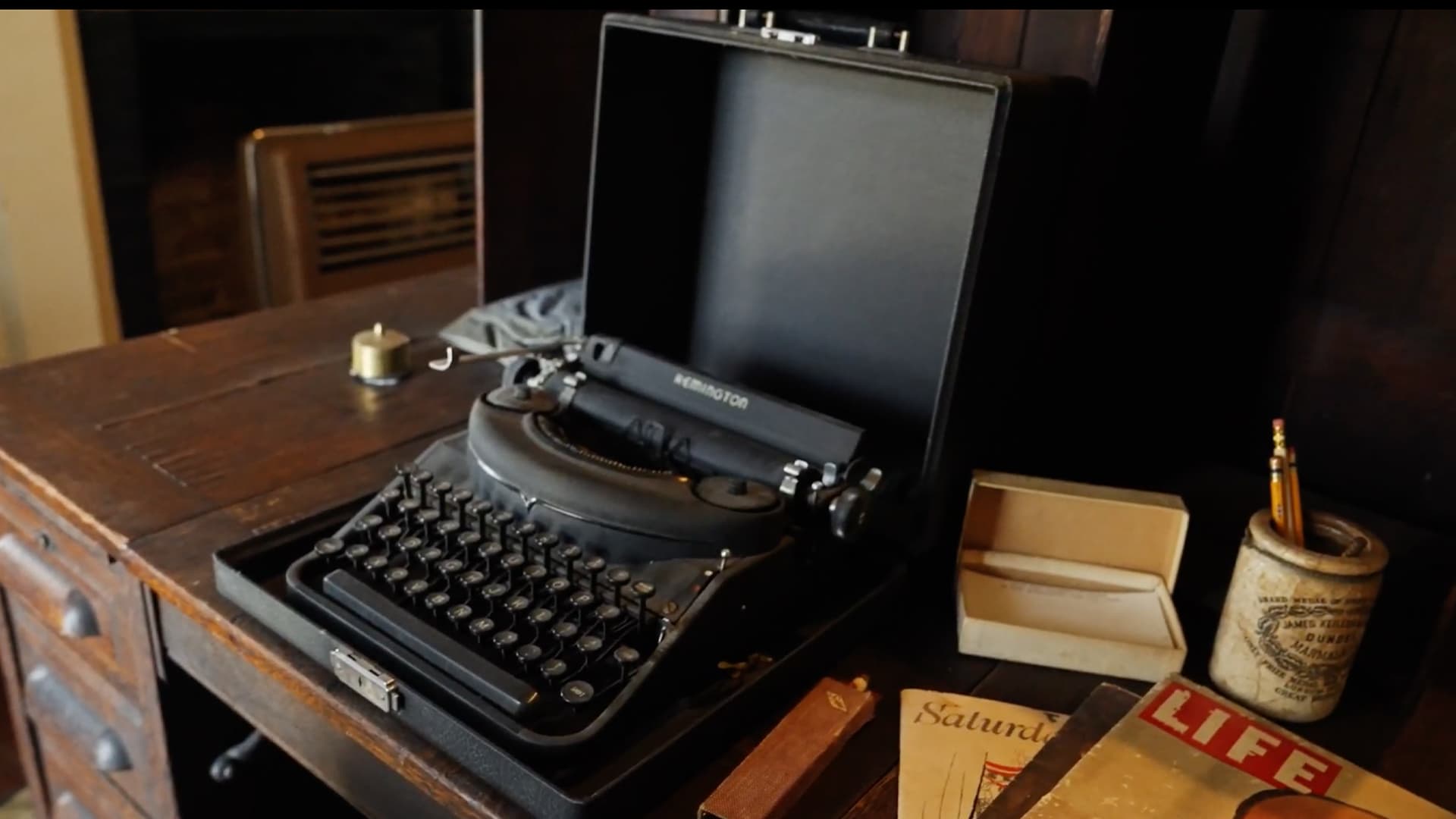
I was still writing when we moved here, but we started looking for something that was more community-oriented, and the bookstore came up for sale. We started, we wanted to make it Steubenville's Bookstore, very specifically. Our focus is to have a place where people come together and share their love of books.
As the kids got older, they suddenly became rather interested in trying to revitalize their hometown, so they offered to volunteer at the local theater restoration project, which is right down the street here. It is called the Grand Theater, and we have been trying to restore the turn-of-the-century theater.
The city was about to tear this theater down, and the reason I stopped the city from tearing this down is because you need a venue for events to happen in your downtown to have an effective downtown, and we just started working on it.
Any 1920s ornamental, beautiful theater looks like hell right now, but by the end of this year, the walls and ceilings of this space will finally be finished, and we're doing it the same way it was done originally, so it'll look exactly like it did when it was finished 100 years ago.
The purpose is to get this open and running so that we can bring people to downtown. We did have an economic impact study by Ohio University done that even only doing three or four events a month will generate $10 million of annual impact right away. We can then take that revenue and reinvest it in town and make things better.
This organ was built specifically for this theater. And put in in 1925. Talking Movies came in in 1929, so it really wasn't used as a theater organ, so it was idle, clear up until just a few years ago. And there aren't a lot of theaters that have their original organ going back into its original chambers like we will here. The warlister was considered the king of theater organ instruments. There were a lot of other companies that built them. and the workmanship is outstanding, everything.
Like here is a hundred year old console still working. And what's interesting is when we first started this, everybody said, why are you doing this? You know, because they thought it was crazy, which I may be. But now they ask, when am I going to be done? When will it be open? And I had no idea how I was going to get from where I was to where I'll be, and I still don't know how we're going to get it done.
But you have to keep at it. This coffee shop is in a building that was largely unoccupied, and then the Nelson family saw in it an opportunity not just for good coffee, but as a locus or a center for the revitalization movement.
So, seeing Mark Nelson tackle this coffee shop was an incredibly inspiring thing. It was like, well, if he can go build a coffee shop, what else can we do? After the revitalization was going on down here, we've expanded into a variety of other businesses, including the popcorn store and coffee shop and our Christmas store, and we have 50 employees now as part of our operation, both in manufacturing and retail.
Well, there is a huge influx of people coming into Steubenville. One of the draws is Franciscan University. Historically, there were maybe 1,500 students there. Now, there are close to 3,000 students come, and they get their education, but then they stay. So, it gives us a lot of hope for the future.
We ended up starting a project called the Nutcracker Village, and it is a collection of life-size nutcrackers that we put out on display at Christmastime. It was an experiment that turned into a success. We continue to do it to this day. We have 220-some nutcrackers now.
We put them out in the park that is down the street, and anyone that was there that night will tell you, but the magic started that night. At the beginning of the revitalization, a spark was lit, basically. You saw a spark come back in people's eyes, and it was a spark of hope.
You see people on their cell phones saying, you've got to come downtown. You'll never believe you're in Steubenville. Come down here and look at this. You think you're in Europe. You think you're in Austria. You won't believe. And they're like, downtown Steubenville? What do you mean? I ain't going to go down there. It's not safe. No, no, you've got to come down. And you saw this happen, and by the time the evening was over, thousands of people gathered. We can care for each other.
And I think people are craving community. One of the things that is drawing people from large cities is this feeling of, I've been so disconnected, and I want my children to have a sense of community, and they're moving here. I'm from New York City, and I thought when I came here, eastern Ohio, Rust Belt, I thought I'd be bored to death. That has never happened, right? And not even, you might think, oh, well, it is interesting being a business owner and things like that.
It is not just that. I mean, intellectually, I find it legitimately interesting being here. A lot of families are moving here. It seemed like after COVID, there was a lot of people looking for a smaller town atmosphere, cheaper real estate prices, and there is a lot of opportunity. I tell people all the time, downtown is like a canvas. Just get out your paintbrush and start painting.
It's like the opportunity is amazing. In New York, would I be able to run a bookstore? There's an opportunity for people here to run their own stores, run their own businesses, and try to make it work. One of the great things about small towns is that you get to have the experience of being a pioneer, which people often bemoan. Like, the West has been won. Where do Americans go with all of their desire to pioneer? And it's like, well, a pioneer now has to be a healer.
I can't be a pioneer to uncharted territory, but I can be a pioneer for something that needs me. You do not get the attitude here that if government doesn't step up and pay for something, nothing can go on. The efforts of local families, they take initiative.
People are willing to say, I want to see improvement in this area. What can we do? There's a new pottery studio. There's a grocery store that just opened a couple doors down from us. And none of them are really making a lot of money right now. But we are in it together, and that feeling is something I never felt in New York. We are going to succeed or fail together. We may not have a lot of money.
But we are all in as a community for each other. This is a hope that's latent here. This is the energy that not anything other than the gospel of Jesus Christ is bringing to this town. You know, the last thing that we'll have to actually be able to energize and vivify this is capital, but that's the least important thing when you're coming up with a good plan that's actually going to come to fruition in a way that's genuine and non-compliant. How do I revitalize a city in order to have as much happiness for the people who live here as possible?
Well, then you've got to ask the question, what makes people happy? And if you get down to it, what makes people happy is God and other people. None of us are here for money, but we think that this place has a future. And there is a satisfaction that comes from working for that future, which is not replaceable just by money. You know, at times we have bad months, at times we have a day where you get, like, one sale. But I'll say this, I know that if I issued a call and said, listen, the bookshop is in trouble, we need help, I know that people would respond to that.
I never feel alone here in Steubenville. Because for the first time, I found something that will last. I don't know a community like it. We all belong together. In the end, we are one people who belong to a city and are committed to it. Our goal was to revitalize. What does that mean? It means prayer. It means going to Mass. It means supporting one another in bad times and in good times, helping someone who loses someone or someone who is sick.
It is really just building community. When you have a local economy that's moving up from the grassroots, what you're doing is creating the economic transactions that are actually enabled to be gifts from one family to another family. You're establishing the ability for families to stay.
In a town. There are some things in life you can't pay me to do. I'll do it for free, but you could never pay me to do it because it costs you too much. That's where we're at with this. Seeing smiles on faces, seeing people move to a place where they can raise their families. My son's right there. He's the first of three, and hopefully more to come. It's a beautiful thing. I run a small bookstore in Stivenville, Ohio. My kids think I'm one of the most important people in town.
My son was born into it. I mean, for him, he gets a new world. He gets a world in which there's a First Fridays Festival, where nutcrackers appear on the street. And getting to see that in children helps you to realize that what you're doing when you revitalize a town is creating a good world.
For decades, we have heard stories of parents telling their children to go away. There is no opportunity here anymore, which is heartbreaking as a parent. It is wonderful to live near our grandkids, to see them grow. To have to tell your children to go away because there is no opportunity here, I don't think that is what God wants.
I think He wants that family to be together, because grandparents have a lot to pass on to their grandkids. Little kids have a lot to inspire grandparents for, so it works symbiolically. It works together.